Parit buatan Kolonial Belanda di sepanjang Jalan Diponegoro dan Jalan H Agus Salim.
Bebarengan dengan mulai beranjaknya beberapa pengunjung meninggalkan Warung Kopi Asiang, aku pun menyeruput kopi tersisa di cangkir untuk kemudian bangkit berdiri dan menuju meja kasir. Setengah jam lagi warung kopi itu memang akan segera ditutup.
Lebih sedikit dari jam setengah lima sore aku beranjak pulang menuju hotel. Terpaan surya yang tak lagi menyengat mendorongku untuk kembali berjalan kaki menjelajah jalanan kota. Tanpa ragu aku bergerak menuju utara, kali ini aku akan berjalan kaki sejauh 1,5 kilometer.
Aku mulai melangkah menyeberangi parit yang memisahkan ruas Jalan H. Agus Salim di selatan dan Jalan Diponegoro di utara. Parit selebar 20 meter itu tampak bersih walaupun airnya menghitam, sedangkan beberapa titik di badan parit dipergunakan oleh pedagang utuk mendirikan tenda kuliner.
Meninggalkan area parit, aku memasuki Jalan Antasari yang di kiri-kanannya dijejali oleh ruko komersil. Ketinggian deretan ruko itu kumanfaatkan untuk berlindung dari terpaan surya yang sudah tergelincir di ufuk barat.
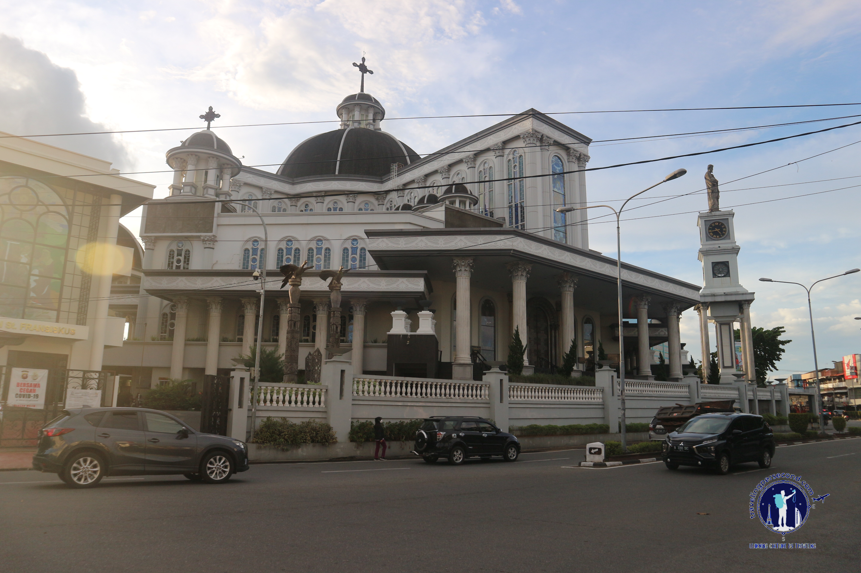
Belum juga tiba di ujung jalan, pada sebuah perempatan yang dipotong oleh Jalan Ir. H. Juanda, aku terhenti karena melihat sebuah bangunan ikonik di ujung timur. “Seperti bangunan gereja”, gumamku dalam hati.
Rasa penasaran itu menuntunku untuk merubah haluan demi menujunya. Tak lebih dari 150 meter dari tempatku berbelok, aku akhirnya sampai di depan bangunan. “Gereja Katedral Santo Yosef”, begitu aku membaca nama bangunan yang terpampang di halamannya.
Gereja Katedral Santo Yosef.
Bangunan gereja yang modern menunjukkan bahwa gereja ini belum lama mendapat sentuhan renovasi. Satu tengara penting yang masih kuingat sampai sekarang adalah keberadaan patung Santo Yosef berukuran besar di atas gereja. Di bawah patung itu terdapat empat jam besar yang mengarah ke empat arah berbeda.
Menyandang status sebagai gereja katedral dalam masa lebih dari satu abad menjadikan gereja ini menjadi landmark penting Kota Pontianak.
Puas menikmati keindahan gereja, aku pun melanjutkan langkah menuju hotel. Aku bergegas dan melangkahkan kaki dengan cepat dengan harapan segera tiba di hotel. Tetapi alih-alih menyingkat waktu, langkahku malah terhenti kembali karena keberadaan pusat penjualan souvenir dan buah tangan di sisi timur Jalan Patimura.
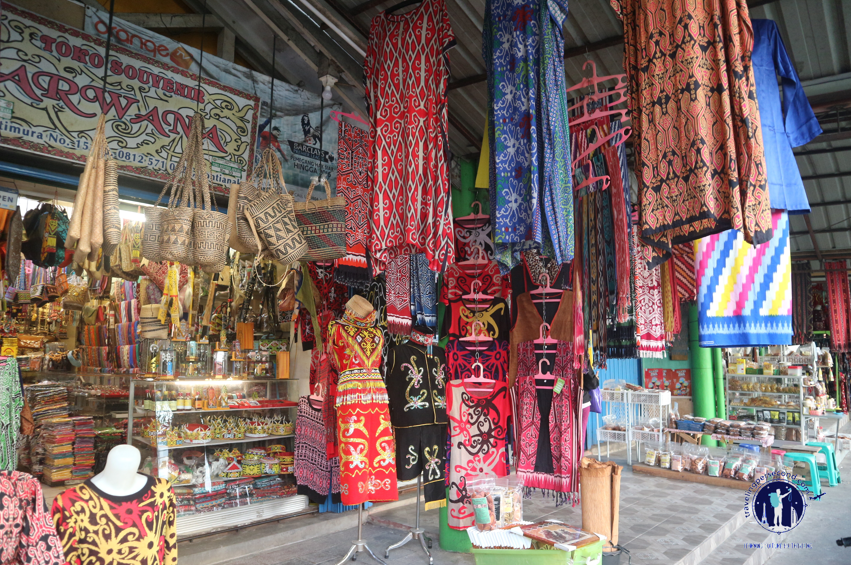
Kompleks PSP (Pusat Souvenir Pontianak) itu menghampar sepanjang 200 meter. Aku memang tak berniat membeli oleh-oleh apapun, tapi sempat berfikir bahwa tak ada salahnya untuk mampir dan melihat-lihat.
Kusempatkan selama lima belas menit untuk mengeksplorasi kompleks perbelanjaan souvenir yang menampung tak kurang dari 30 gerai souvenir yang menjual beraneka ragam makanan kemasan, aksesoris dan cendera mata khas Pontianak.
Mencoba masuk ke salah satu gerai yang penjualnya sedang sibuk melayani pembeli, aku berhasil melihat dengan leluasa berbagai jenis cendera mata yang umumnya dijual di kompleks ini.
Cendera mata yang dijual di Pusat Souvenir Pontianak.
Souvenir khas Pontianak.
Talawang, tameng khas Suku Dayak.
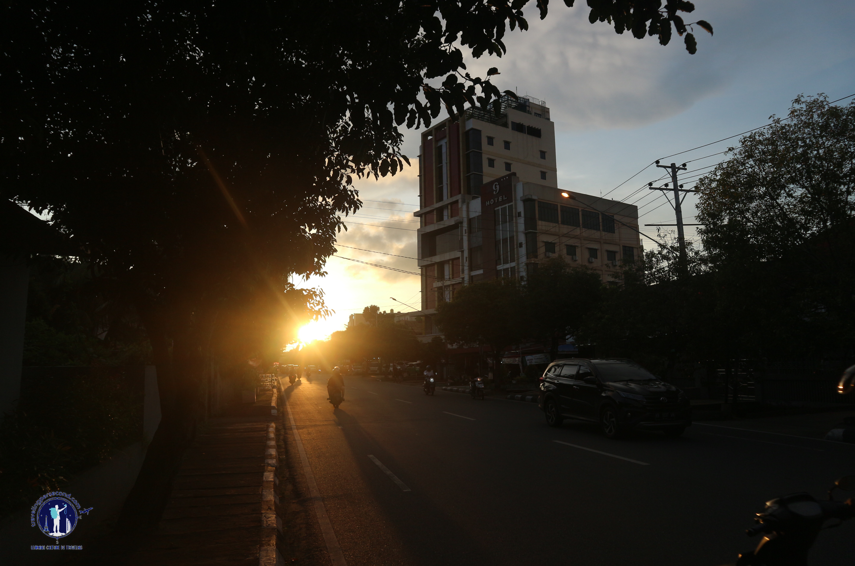
Senja di depan G-Hotel.
Mengambil beberapa gambar di Kompleks PSP, rasanya cukup bagiku untuk menyudahi eksplorasi singkat itu. Aku kembali melanjutkan langkah hingga ujung Jalan Patimura, kemudian berbelok ke barat di Jalan Jendral Urip, jalan dimana G-Hotel tempatku menginap berada.
Lewat sedikit dari pukul lima sore aku tiba di hotel. Masih ada waktu untuk menunaikan shalat jama’ sebelum masuk waktu maghrib.
My flight was still in the afternoon. 7 pm to be exact. So I was going to relax first until my staying time at Casper Hotel ended at noon. Since the Shubuh prayer, I rolled up again with dormitory blanket, it was very comfortable to close my eyes in a warm blanket in the midst of freezing morning. Until the alarm was jealous and shouted at me….It was nine o’clock. I have to get up, have breakfast and got ready.
After taking a shower I folded my clothesline which was still damp, I would definitely place it in a separate plastic bag in my backpack later. I properly separated every piece of equipment which had been dismantled five days ago. Toiletries, t-shirts, camera, tripod, snacks and trousers were packed in each plastic bag.
Followed by chewing parathas made by GRANDMA Bakery and Sweets along with two pieces of my own hand-made beef eye eggs.
Exactly 12:30 hours, I was ready to go…..
I hugged and shook hands with three of my new Pakistani friends and family who worked at hotel. After saying hello, I went back to hometown.
Thank you friend.
As usual I was standing at the bus shelter just to the left of hotel gate.
“It’s time to try Free Doha Metrolink Shuttle Services, coincidentally, my Karwa Smart Card has already run out of balance,” I thought to myself. But the Metrolink bus never stopped when I tried to stop it. When stopping the third bus, the Metrolink driver pointed to a sign pole at the end of block. He pointed to himself then pointed to me then pointed to sign pole. I quickly interpreted the signal: “Run there, I’m waiting for you!”. I spontaneously ran, when the bus overtook me and stopped at the pole.
“Good morning, friends. You must stop this Metrolink in its shelter, Okay!. Tommorow if you want to use it, you must wait at this pole”, he said as he quickly stepped on Metrolink pedal.
“Oh okay, Sir”, I said understanding, he didn’t seem to know that I was going to my hometown and the next day I was no longer in Doha.
“Where will this metrolink stop?” I asked the Nigerian driver.
“It will stop in Oqba Ibn Nafie Station, It’s free, if you want back to hotel just wait this bus in Oqba Ibn Nafie Station again, okay!”, he answered in detail, apparently he knew I was a free seeker traveler….Hahaha.
Ten minutes later, I arrived at Oqba Ibn Nafie Station…..
I no longer have change and I also knew that the ticketing vending machine didn’t accept large denominations. I went straight to customer service which was occupied by Filipino staff. I meant to exchange money, lucky they provide small denominations. I was willing to convert the Riyal into small denominations which would certainly affect its exchange rate to US Dollars at the airport, more smaller the denomination, more cheaper the price. But that was okay, there wasn’t other option.
I started taking the Doha Metro Red Line to Hamad International Airport T1 Station. Traveling in a distance of 10 km, not passing by a single station, I arrived in twenty minutes.
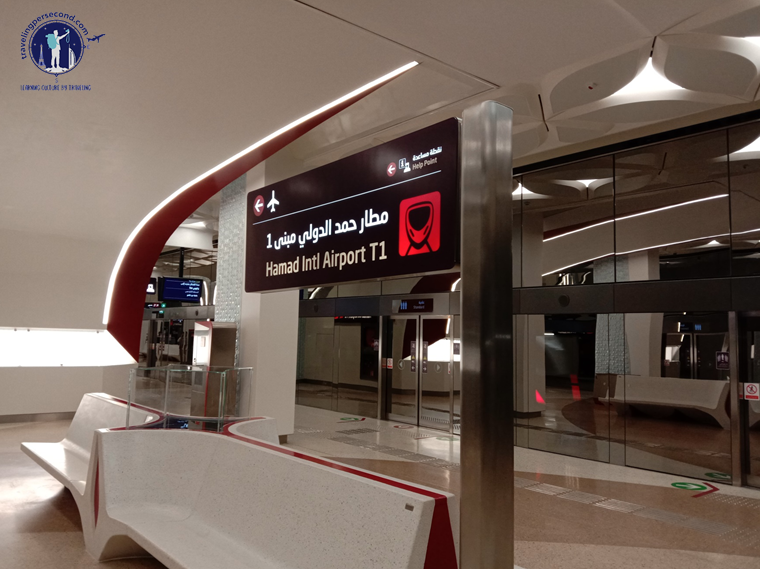
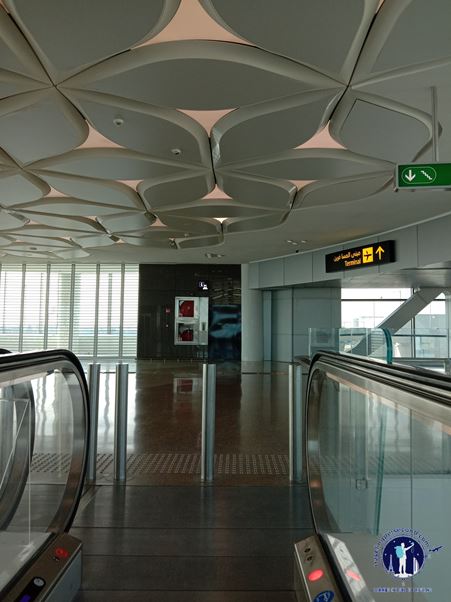
Arriving at Hamad International Airport T1 Station platform. Looking at the interior….Cool right?Very artistic.
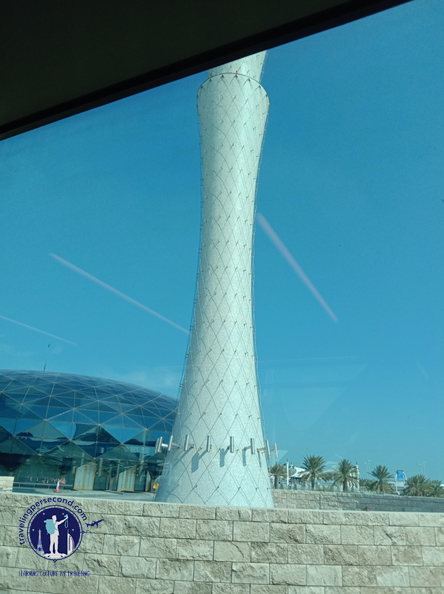
Hamad International Airport T1 Station is a transportation shelter which is connected to Hamad International Airport by a luxurious pedestrian bridge. This refrigerated and roof-covered pedestrian bridge has glass walls and features with travelator. Straddling the main routes of vehicles around Hamad International Airport. Also passing by iconic venues such as the HIA Mosque with its fantastic minaret.
Vehicle lanes traversed by pedestrian bridges.HIA Mosque minaret.
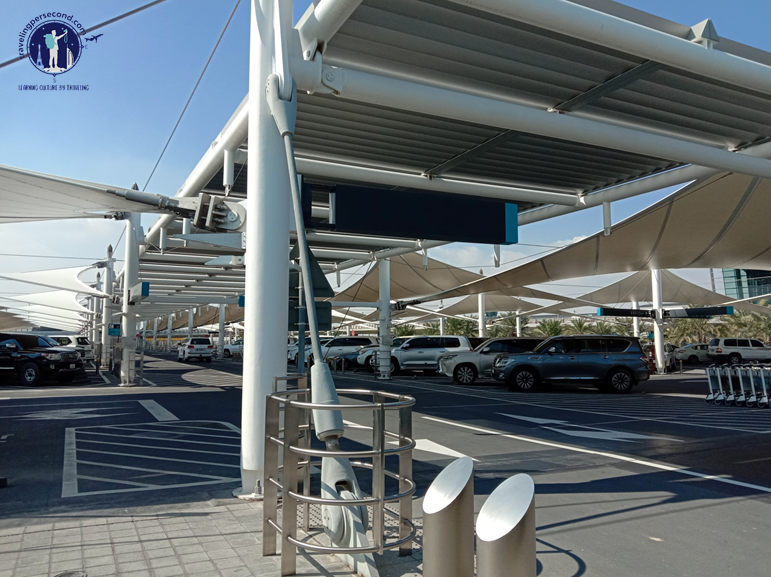
Had time to leave the connector for a moment, I was passed on to the airport parking lot which was quite large, then I was going back into a connector to the main terminal building.
Airport parking slots.Travelator on the connecting bridge.
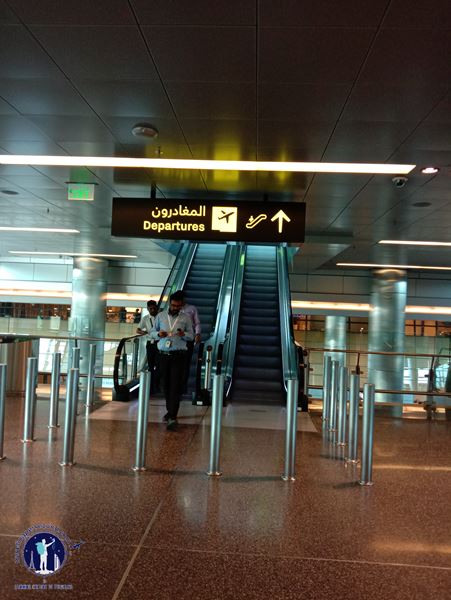
Walking for ten minutes I finally arrived at Departure Gate. It was still 14:05 hours, I still needed to wait about two and a half hours for the check-in counter to open. I went straight to the check-in area to find a comfortable waiting area and at the same time to rest.
In front of the Departure Hall.Check-in area.Waiting for PR 685 to Manila.
Tetap saja, aku menyantap Es Krim Angi dengan penuh rasa khawatir akan kemuingkinan mengalami penularan COVID-19 saking penuhnya pengunjung di warung es krim. Tapi apapun itu, aku masih saja bisa menikmati kelembutan es krim ternama tersebut.
Usai membayar es krim yang kupesan di kasir, aku segera keluar dari keramaian warung dan mengambil posisi berdiri di pinggir jalan.
Aku memutuskan kembali untuk memesan transportasi online menuju barat sejauh dua kilometer. Kali ini aku dihantarkan oleh seorang pengemudi berdarah Madura. Tetapi toh tetap saja, karena semenjak kecil sudah lahir di Pontianak maka dia susah berbahasa Madura.
Memahami bahwa aku akan menuju ke sebuah destinasi kuliner yang melegenda di kotanya maka dia pun mulai membuka sebuah cerita. Diceritakan dahulu bahwa sepanjang jalan yang kulewati adalah berasal dari sebuah kanal yang diurug untuk dijadikan jalanan.
Aku sendiri dibawanya menyusuri tiga ruas jalan berbeda yaitu Jalan Sultan Abdurrahman, berlanjut ke Jalan Teuku Umar dan Jalan Diponegoro. Dan aku melihat memang di sepanjang ketiga jalan itu terdapat kanal memanjang yang menyejajarinya. Mungkin kanal yang diurug menurut cerita si pengemudi online itu adalah kanal yang kulihat dengan cukup jelas di sepanjang Jalan Diponegoro.
Sedangkan Warung Kopi Asiang terletak di seberang kanal, tepatnya di Jalan Merapi yang merupakan jalan cabangan dari Jalan H. Agus Salim.
Warung Kopi Asiang diceritakannya sebagai sebuah warung kopi yang asalnya dibuka hanya untuk melayani para tenaga dan pengunjung pasar. Kala itu Asiang sang pemilik masihlah sangat muda.
Lambat laun warung kopi itu semakin ramai dan makmurlah Warung Kopi Asiang mulai saat itu. Untuk mempertahankan orisinalitasnya maka Asiang tak pernah mau membuka warung kopi cabang dimanapun. Jadi sudah bisa dipastikan bahwa Warung Kopi Asiang hanya ada satu di seluruh penjuru Pontianak.
“Harusnya Bang Donny berkunjung ke Warung Kopi Asiang saat pagi bersamaan dengan riuhnya para pedagang yang berjualan di pasar. Karena saat pagi hari, Koh Asiang akan datang ke warung dan melakukan demo pembuatan kopi khasnya. Dia akan menyeduh kopi dengan bertelanjang dada di hadapan para pengunjung warung”, pengemudi itu memberi saran.
Aku mengiyakan saja karena toh aku hanya punya waktu di saat siang itu untuk melakukan eksplorasi. Mungkin suatu saat nanti kalau ada waktu lagi berkunjung ke Pontianak, aku akan menyambangi warung kopi itu pagi-pagi sesuai anjurannya.
Dalam waktu tak lebih dari sepuluh menit aku sampai.
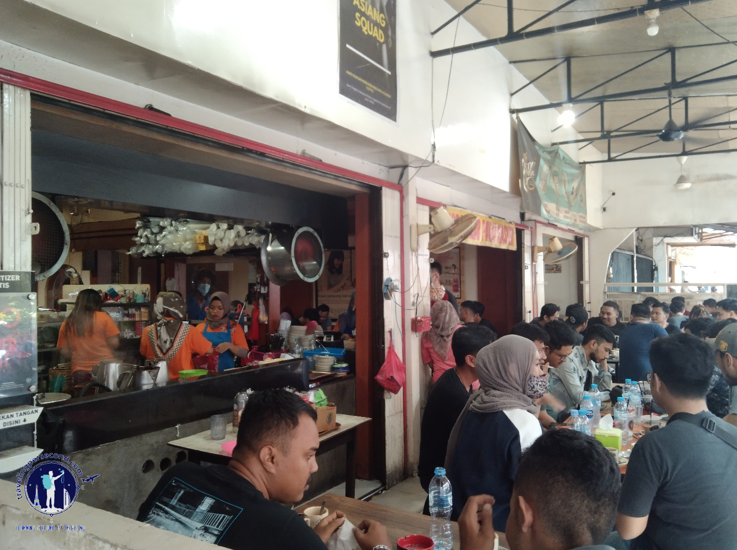
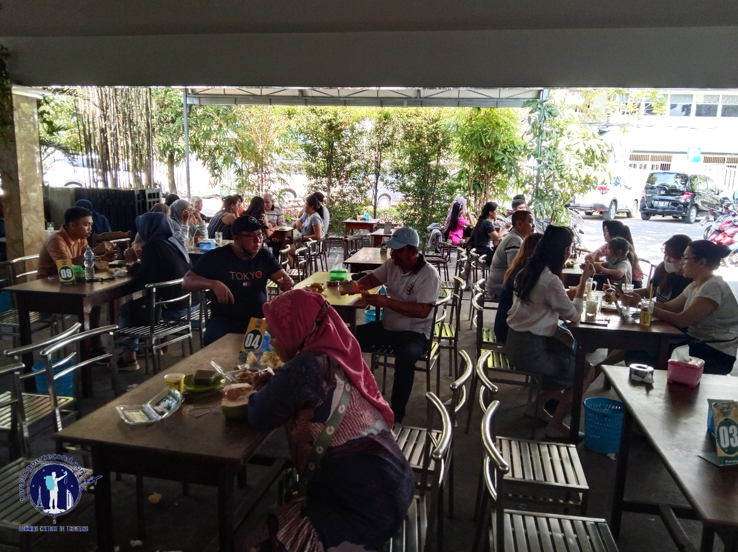
Begitu terpesonanya aku ketika pertama kali tiba. Bagaimana tidak, seluruh bangku di warung kopi itu telah penuh. Tak hanya para pengunjung berumur, tetapi para penikmat kopi dari kalangan muda usia juga hadir di sana. Ini bukti bahwa Kopi Asiang bisa diterima oleh semua kalangan.
Melihatku berdiri cukup lama sembari berharap segera ada pengunjung yang selesai menyeruput kopinya lalu meninggalkan bangku maka seorang pelayan warung datang menghampiriku. Setelah tahu bahwa kedatanganku untuk menikmati kopi di warungnya maka dia berinisiatif mengambil kursi beserta meja plastik dan ditempatkannya di halaman ruko kecil di sebelah Warung Kopi Asiang. Ruko itu tampaknya memang sedang tutup. Maka di halaman ruko itulah aku akan menikmati secangkir Kopi Asiang.
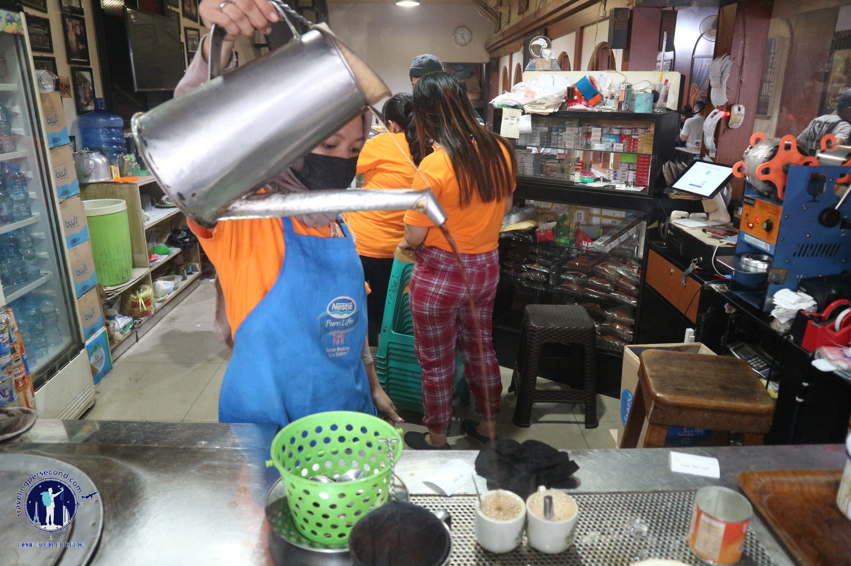
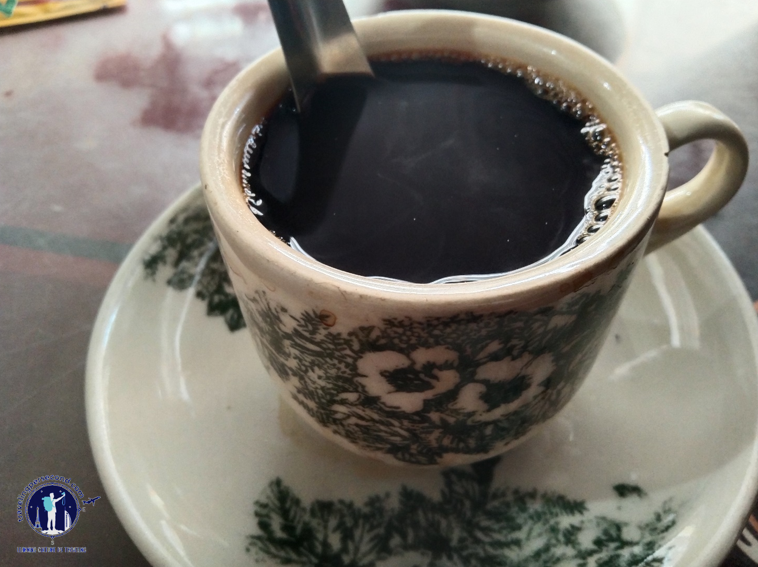
Lagi dibuatin kopi sama si kakak…Penuh kan?…..Ckckckck.Kopi Robusta penutup eksplorasi hari itu.
Walaupun kopi susu tampak menjadi pilihan favorit para pengunjung, toh aku lebih memilih meyeruput kopi robusta yang konon sangat terkenal cita rasanya di warung kopi berusia 64 tahun ini. Beruntung aku tiba dua jam sebelum warung tutup sehingga aku merasa tak terburu waktu untuk menyeruput kopi.
Saking menikmatinya, waktu satu setengah jam pun menjadi tak terasa ketika duduk di warung itu. Perlahan pengunjung satu per satu menyudahi kunjungannya. Kebetulan kopi di cangkirku hanya tinggal satu atau dua seruputan saja. Aku pun berniat sama untuk menyudahi wisata gastronomi tersebut.
Membayar secangkir kopi robusta dengan Rp. 6.000 akhirnya aku menyudahi petualangan sore itu dan berniat untuk segera kembali ke hotel.
At the end of my visitation to Msheireb Museum, I explored with a middle-aged man from France. I slowly lead him into room after room.
Radwani House was an original depiction of a typical Qatari house built in the 1920s on the border of Qatar’s oldest districts namely Al-Jassra and Msheireb. This house was bought by Ali Akbar Radwani on December 5, 1936 and lived with his family for more than 70 years.
The Radwani House has been enlarged and remodeled from the original building over time and was one of the most important historical buildings in Doha. This house showed the extraordinary history of Qatari life and lifestyle and illustrated the adaptation to vast societal changes in Qatar during the twentieth century.
Special research on Radwani House was carried out in the winter of 2012-2013 by a team of archaeologists from University College London Qatar. This was the first archaeological investigation conducted in the whole of Qatar.
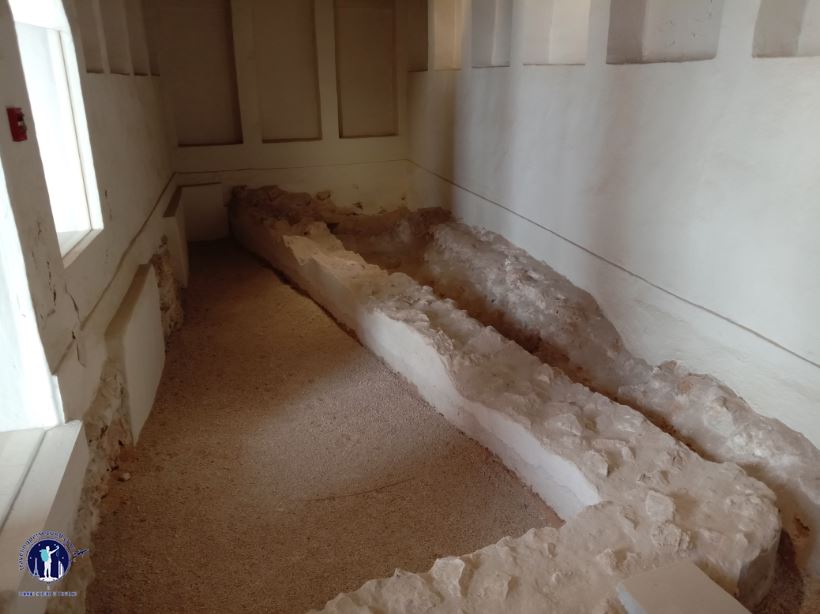
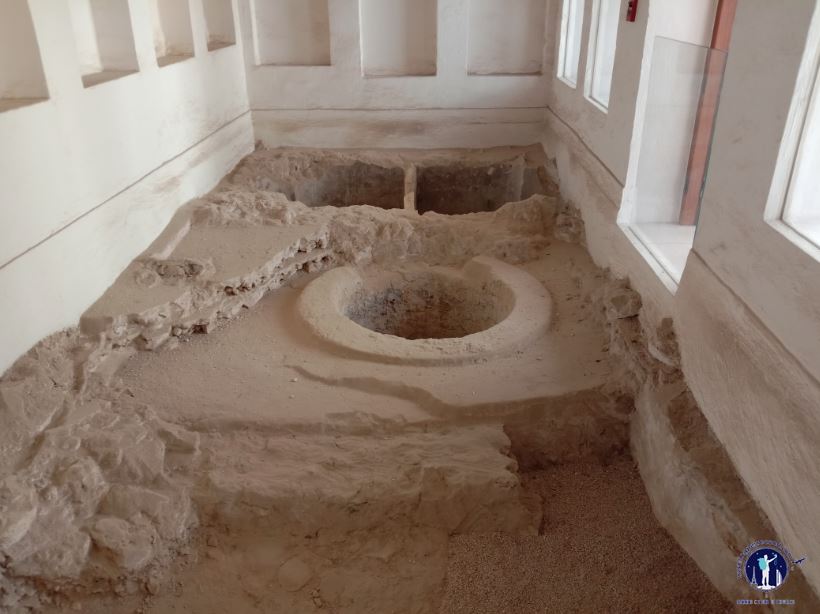
The discovery of other foundations in this building indicated that this house had undergone many renovations throughout its life, it seemed that a well was found which, if you looked at the initial layout of the house, this well was located outside the main building, precisely in a narrow alley.
It was also known that this house originally consisted of two buildings, which after these two parts were purchased by the same owner, the two parts were combined. Both ends of the alley were closed so as to produce a wider house shape.
Old house foundation.Well and bath.
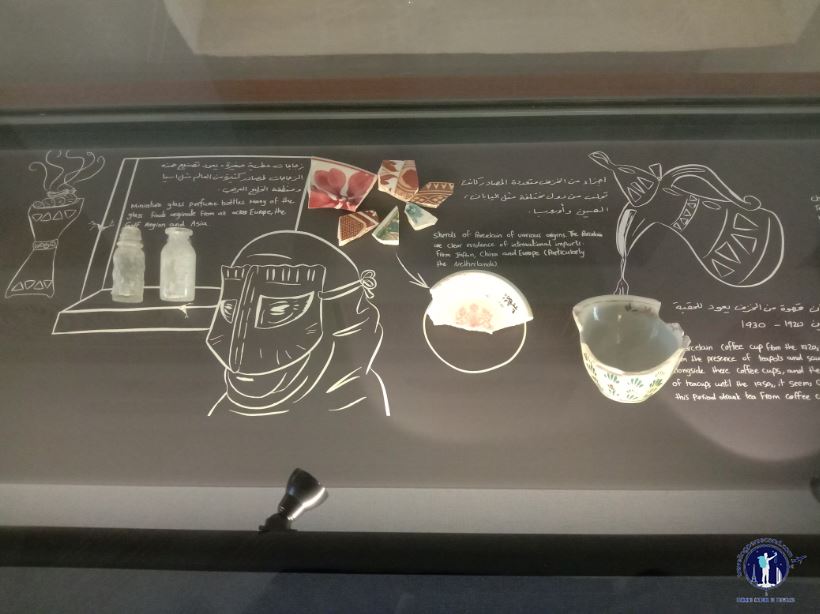
Excavations at Radwani House uncovered several objects that provided clues to daily life in this house. Found incense burners from 1920-1930, a series of discarded pearl shells that were the result of collecting sea shells at low tide, coffee cups, glasses, jewellery, clothing and toys.
Sherbah, a long-necked clay jug that served as a drinking place.Pearl shell.Coffee cup.
Radwani House was renovated in the early 1940s to produce the house you see today:
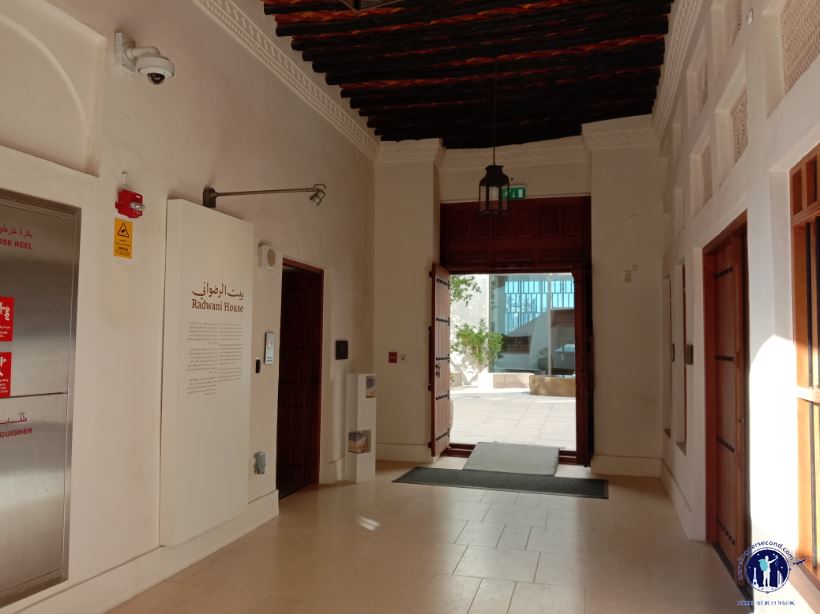
The current form of Radwani House.Front door.Terrace.Majlis – typical Qatari home page -.
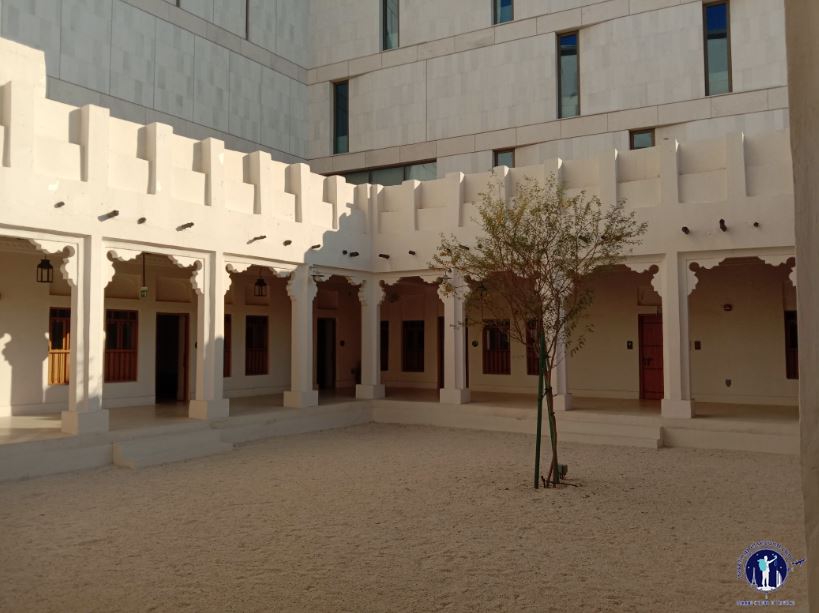
Even though the yard looked spacious, Ridwani House still showed a concern for privacy. The outside of the house looked windowless. The window was only on the wall facing the courtyard. Meanwhile, the courtyard itself was surrounded by houses on all sides.
Meanwhile, the part of the main gate which would lead people to the courtyard must first turned 90 degrees to ensure that the courtyard was not visible to outsiders.
The arrangement of the Radwani House rooms also showed its own peculiarities. There were rooms which function very specifically liked kitchens and warehouses. Some of them were built as functional spaces.
Living room.Bedroom.Family lounge.Guest lounge.Kitchen.Room furniture.
This was the last destination during my visitation in Qatar. Then of course, I had to immediately leave Qatar.
Aku baru saja usai menyantap Bubbor Paddas di sebuah bangku milik Warong Pa’ Ngah. Sembari duduk untuk menurunkan makanan ke lambung, jemariku mulai lincah berselancar di sebuah aplikasi berbasis denah untuk mencari keberadaan sebuah sajian kuliner lain yang terkenal di Pontianak.
—-****—-
Kembali ke malam sebelumnya….
Keberadaanku di Pontianak akhirnya diketahui oleh salah satu pimpinan perusahaan tempatku bekerja. Karena beliau berasal dari Pontianak, maka sudah barang tentu beliau memahami seluk beluk, budaya dan kuliner Kota Khatulistiwa tersebut.
Salah satu kuliner terkenal yang direkomendasikan oleh beliau untuk kucicipi adalah Es Krim Angi yang kini lokasi outletnya sedang kucari di layar telepon pintarku.
Berdasarkan cerita beliau, dahulu kala es krim ini hanyalah es krim bergerobak dorong yang dijual di depan SMP dan SMA Petrus. Karena rasanya yang enak akhirnya mengantarkan es krim ini menjadi sebuah kuliner idola dan bahkan kemudian boleh dikatakan melegenda di Kota Pontianak.
Berbalas pesan dengan beliau pada malam sebelumnya berhasil menggugah rasa ingin tahu dalam hati. Aku yang penasaran setelah mengetahui informasi tersebut akhirnya memutuskan untuk mengunjunginya siang itu juga.
Tentu siang itu menjadi momen yang sangat tepat karena aku baru saja usai menyantap makan siang, maka sajian Es Krim Angi bisa menjadi sajian penutup (dessert) dalam rangkaian makan siangku.
—-****—-
Usai menemukan lokasinya di aplikasi maka aku segera memesan transportasi online demi menuju ke sana. Lokasinya yang berjarak hampir empat kilometer dari Warong Pa’ Ngah dan cuaca yang teramat terik membuatku urung untuk berjalan kaki.
Tak perlu waktu lama, akhirnya transportasi online yang kupesan pun tiba. Aku segera naik dan mengonfirmasi tujuan kepada pengemudi.
Menyusuri sepanjang Sungai Jawi melalui Jalan Hasanuddin, aku berbelok di Jembatan Gertak 2 untuk menyambung perjalanan melaui Jalan Merdeka Barat. Kemudain berganti ke Jalan HOS Cokroaminoto setelah melintasi Bundaran Tugu Penghargaan Bank Indonesia. Untuk kemudian melintasi ruas terakhir di Jalan Gusti Sulung Lelanang sebelum tiba Jalan Karel Satsuit Tubun dimana Es Krim Angi berada.
Aku sedikit kebingungan ketika diturunkan di titik terakhir perjalanan. Mataku awas memperhatikan sekitar demi mencari plang nama kedai es krim tersebut. Aku tak kunjung menemukannya, tetapi mataku tertuju pada sebuah rumah yang sangat ramai.
Setelah memperhatikan dengan teliti, ternyata aku menenemukan sebuah plang nama kecil bertuliskan “Es Krim Angi Est 1950” yang sedikit tertutup dahan. Aku mulai memasuki pekarangan rumah dan kemudian faham bahwa es krim ini menggunakan pekarangan rumah untuk berjualan.
Satu hal yang membuatku sedikit was-was adalah begitu penuhnya bangku kedai es krim tersebut oleh para pengunjung. Aku sedikit khawatir dengan resiko penularan COVID-19 dengan keramaian seperti itu. Tetapi tak mungkin juga aku harus menggagalkan rencana menikmati es krim legendaris ini. Maka pada akhirnya aku memberanikan diri untuk duduk di salah satu bangku.
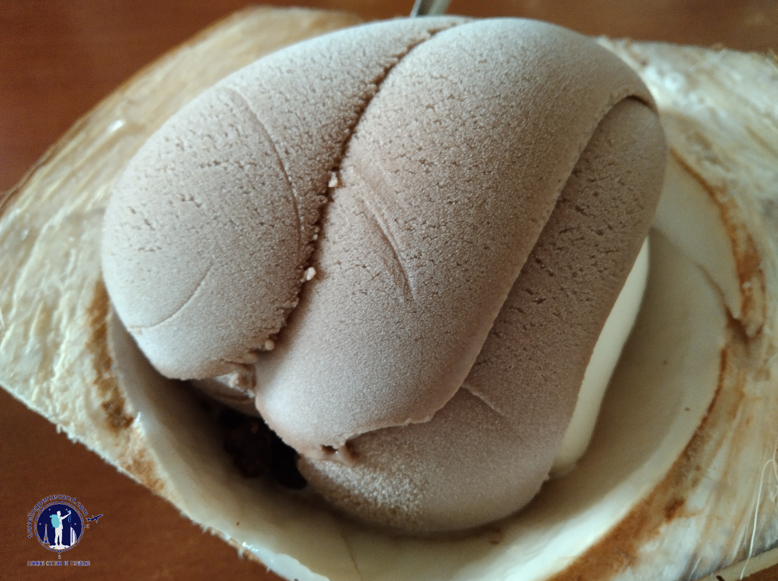
Dan sebelum duduk, aku sudah memesan es krim kombinasi rasa coklat, durian dan vanilla yang disajikan dalam batok kelapa muda. Begitulah cara memesan es krim di kedai ini, penjual akan meminta kita menyebutkan tiga jenis rasa yang akan dituangkan dalam dua pilihan wadah, yaitu di batok kelapa atau di gelas kertas berukuran standar.
Di kedai ini, selain es krim yang dijual dengan gerobak, juga terdapat display kue dan snack yang bisa dibeli oleh para pengunjung. Jadi bisa sekalian membeli buah tangan bagi yang berminat.
Plang nama yang sedikit tersembunyi.Keramaian pengunjung outlet.Gerobak es krim dan jajanan lain.Ini dia aktornya….
Benar adanya, es krim ini memang menyuguhkan tekstur lembut di lidah dengan rasa es krim yang sangat lezat. Aku menyantapnya pelan karena tak akan pernah tahu kapan lagi bisa ke tempat tersebut. Jadi sensasi kelezatan es krim tersebut benar-benar kunikmati dengan khidmat.
Aku menyudahi kunjungan di Es Krim Angi dengan membayar pesananku sebesar Rp. 23.000.
Setelah merasakan nikmatnya sajian ini maka sudah kupastikan bahwa kalian harus mencobanya jika berwisata ke Kota Pontianak.
Museum Staff : “Hello, how many part of museums which you have visited, Sir?”
Me : “Just two….Company House and Bin Jelmood House, Ms”.
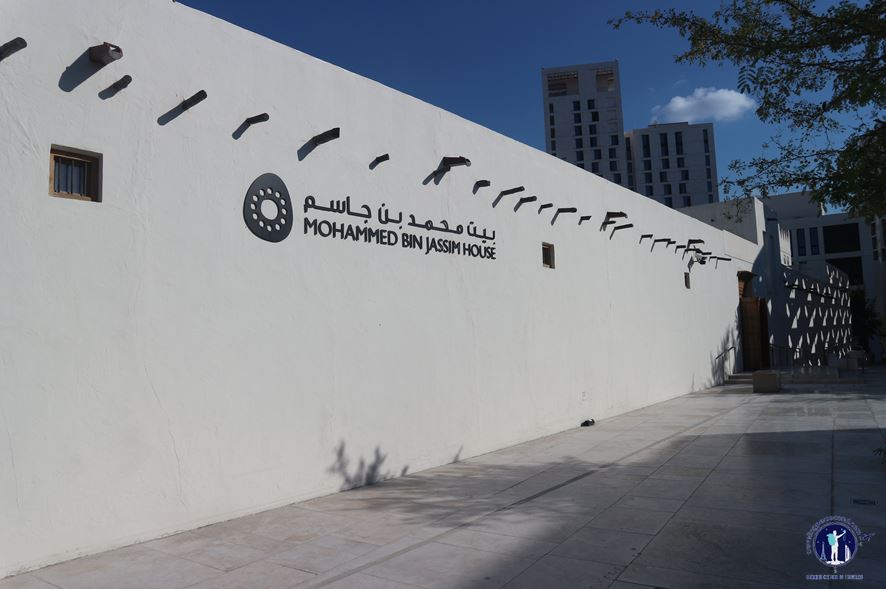
Museum Staff : “Oh, you’re on the right step. Now you are in Mohammed Bin Jassim House. It will tell you about old Msheireb and the modern one”.
Me: “Sounds pretty good”.
Museum Staff : “Is that your own camera? Are you professional? “
Me: “Yes, my camera. I’m a travel blogger. Is it okay to bring inside?”
Museum Staff : “Oh sure. Enjoy your visitation, Sir”.
—-****—-
This gallery was dedicated to Msheireb natives. Collections depicted everyday life in Msheireb that can be remembered by Qatari youth as well as foreign workers working in the oil-rich country.
Clay as a building material of old building.
In the early days of Qatari civilization, people used desert to raise livestock, but over time they created a special area for housing. History began when residents from Al-Jassra established a settlement in Msheireb. The construction of their houses initially used stone and clay before introducing gypsum and bricks.
“Religious Events and Celebrations”Session
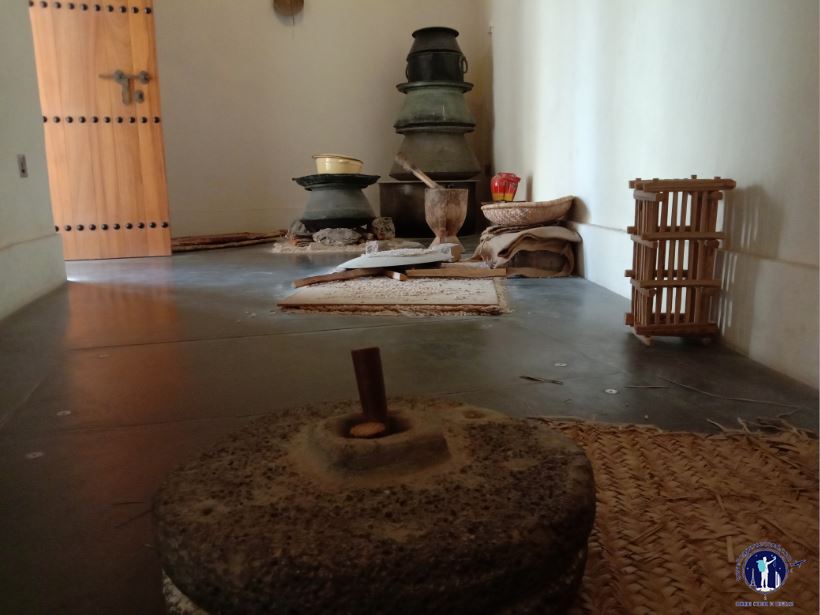
Past dining utensils.
In the early days of Msheireb, residents often celebrated religious holidays, such as Ramadan and Eid al-Fitr. Festivals were held to celebrate it, restaurants would be open until well past midnight and houses would open their doors.
Residents used drums to wake people up for sahur in the morning and used them to sing religious music at night. Then, Eid was determined by the crescent moon seen in Saudi Arabia. At that time Saudi Arabia did not have radio and television broadcasts. News would be obtained by Qatari citizens from Bahrain.
During Eid, residents will dance Tanbora, Laywa, Fajery, and Haban. There were so many traditional dances at that time.
“Electricity” Session
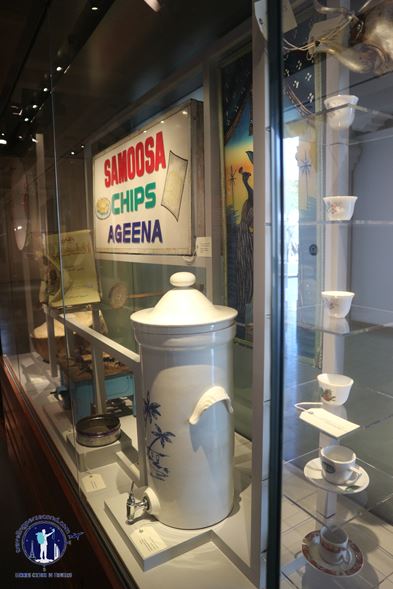
Street signage and some mid-1950s electrical equipment.
Doha’s first electric generator was installed at the Company House in the late 1930s. Then in the mid-1950s, a power station was built in the city and underground power lines began to be laid. The path which was through by underground cable line was then given the name Al-Kahraba Street (“Al-Kahraba” itself means “electricity”).
Then Al-Kahraba Street was bustling with shops selling electric tools.
It was said that Doha citizens neatly sat in their chairs when their Emir Sheikh Salman cut a pipe to inaugurate their first power plant.
Al-Kahraba Street was Qatar lifeblood. Throughout the day and night during Ramadan month, the street was fully light. And Al-Rayyan people came here just to see the street.
It was narrated by a resident named Hassan Rasheed that the first television he bought came from Al-Kahraba street with the brand “Andrea”, it was shaped like a small cupboard, the cupboard had to be opened first to see the screen.
“Shopping and Eating” Session
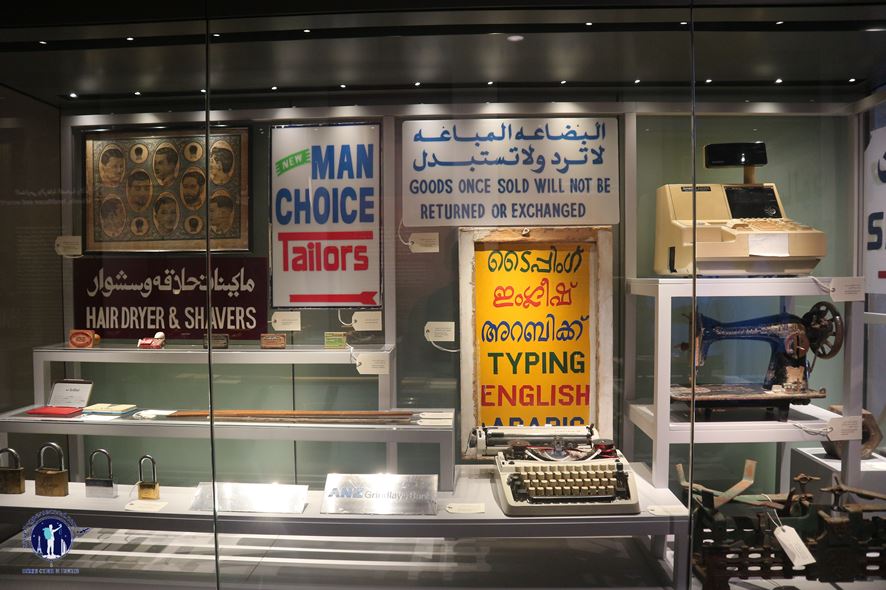
Shops signage and other service businesses, including the equipment which was used.
Between 1950-1990, the Msheireb District flourished and was teeming with commercial buildings. Many new and first-time businesses appeared there such as the first hotel, the first bank, the first pharmacy, the first coffee shop and the first cold drink place. Residents could buy supplies and equipment, television, saris and shoes here. Tailors, barbershops, opticians, butchers, doctors, dentists, chicken shops and cafes greatly contributed to enliven Msheireb.
A resident said that the streets of Msheireb were very lively, there was the Al-Nasr Fountain, a pharmacy owned by Hussain Al-Kazim, Lebanese shops and restaurants, the Al-Tilmeethe library and bookstore owned by Abdullah Naima. At the corner of street there was a tailor who specializes in suits. The first bank in Doha was The Ottoman Bank and the main landmark at that time was The Bismillah Hotel.
Resident Abdullatif Al-Nadaf said: “If you need something that isn’t in Doha then you will find it on Al-Kahraba Street”.
“Schools, Healthcare and Security” Session
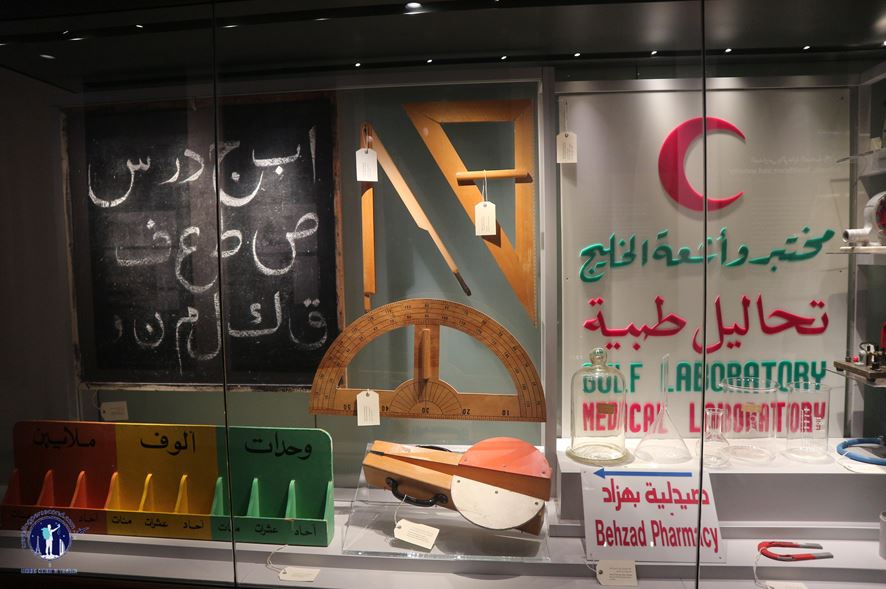
School learning equipment and medical equipment.
To ensure Qatari children could contribute to the development of Qatar’s oil industry and the nation’s economic growth, in September 1947 the first modern school named Al Islah Al Mohamadia was established. The Bin Jelmood House was used as a Qatar police station in the 1950s. The legendary hospital in Qatar was Rumaillah Hospotal which had been in operation since 1956, opened with 200 beds with ambulance services and outpatient facilities.
“Msheireb Downtown Doha” Session
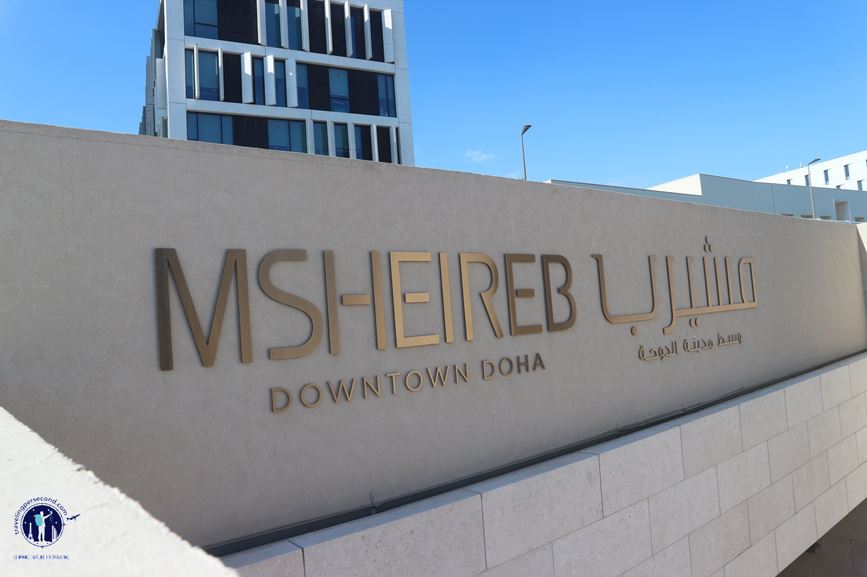
Modern design at MDD.
Next, a session on Msheireb Downtown Doha (MDD) was described as a Sustainable City Regeneration Project in the Msheireb Region.
Under the leadership of Her Highness Sheikha Moza bint Nasser, Msheireb Properties which was a subsidiary of Qatar Foundation was building urban districts where Qatari citizens and expatriates would live, work and socialize.
In this MDD session we would learn how patrons, planners, architects and engineers carefully reinterpreted Msheireb’s original architecture, sustainable construction with community traditions, commercialization and innovation to create a modern area but still firmly rooted in history and created a sense of place.
Old Msheireb was very popular with business activities. Shops and restaurants were built along the main road. Making this district a popular place to live and for anyone to visited. Since the first shops opened in the early 1950s, Doha had played an important role, not only for Qatar’s economic growth but even for the global economy. Doha was currently a promising business destination and tourist destination for travelers around the world. And Msheireb Downtown Doha would play an important role in maintaining the city’s commercial prominence.
At the southern end of Al-Kahraba Street had become a new business district with offices, banks, restaurants and cafes. And within this business district, Doha Metro would take passengers to West Bay and Hamad International Airport.
It was estimated that when the Msheireb Downtown Doha development project was completed, more than 2,000 residents would occupy an area of 31 hectares. Residents would mingle with thousands of workers, commercial consumers and tourists.
Although the scale of MDD was very broad, it would evoke the intimacy of Old Msheireb. The pedestrian path would be drectly connected to Souq Waqif. The entire MDD would be connected to a network of underground roads and underground parking which would make the street area very friendly-pedestrian.
MDD’s tradition of innovation also provided solutions to Old Msheireb’s three challenges, namely traffic congestion, waste management and water conservation. MDD would have 12,000 underground parking slots which would clear congestion and create a pedestrian-friendly environment. The state-of-the-art waste disposal system would recycle waste from the source and would be disposed of via underground pipes. Around six million liters of recycled water would be used daily to flush toilets, irrigate crops, and would cool buildings in MDD.
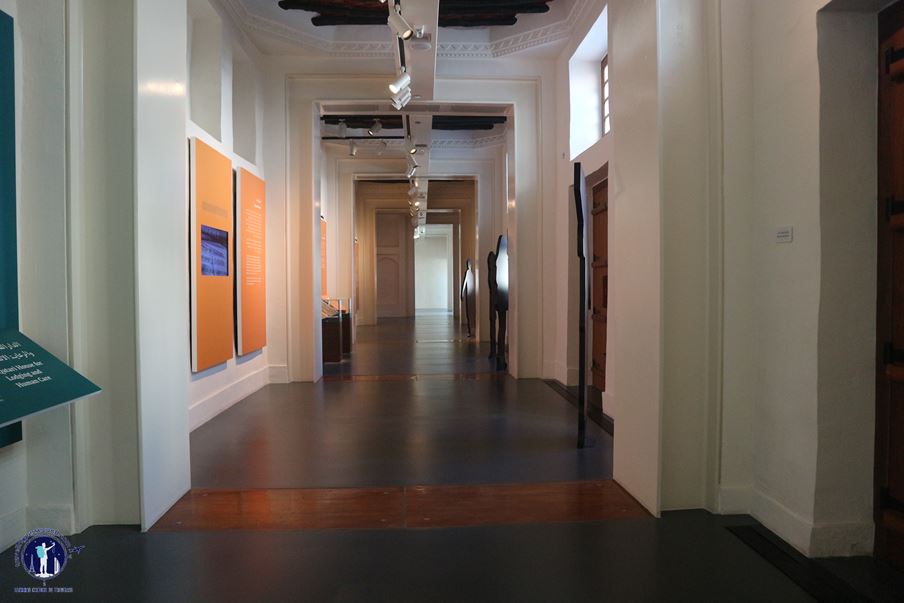
Corridor at Mohammed Bin Jassim House.
The same innovation would produce hot water and electricity through thousands of solar cells installed on each building’s roof.
There were seven steps that make buildings at MDD unique:
1. The continuity of the past, present and future through timeless urban design motifs.
2. Harmony and diversity through architectural language which was accepted by all.
3. Informal setting of buildings reflecting the original view of Msheireb
4. A living environment which provided privacy, security, indoor and outdoor areas, a family spirit and community care.
5. Creating a vibrant street life that could make pedestrians comfortable and provided shaded spaces.
6. Maximum comfort with minimum energy consumption through traditional and modern technology by utilizing energy and conserving natural resources.
7. The sustainability of Qatari design through a new architectural language that connected with past designs.
The design and layout of old Msheireb buildings respected the environment by minimizing the effects of the sun, maximizing ventilation and using local materials. These traditional practices were still being implemented in the development of MDD. The design and layout of MDD were made by utilizing the sun’s shade and the coastal breeze. Construction materials were taken from local sources. Renewable energy utilized solar panels on the roof of the building. Clean water would be saved by efficient use of every faucet and shower. The recycled water would be used for irrigation and other purposes.
MDD would reduce people’s dependence on vehicles. For example, this district would be friendly to pedestrians, it would be easy, safe and comfortable when walking from one place to another in the shade of trees and interspersed with parks. The district would provide routes for cyclists and buses. Doha Metro would connect Msheireb with other regions. Centralized waste recycling would eliminate the need for garbage trucks entering the city.
The second part of Msheireb Museum is Bin Jelmood House.
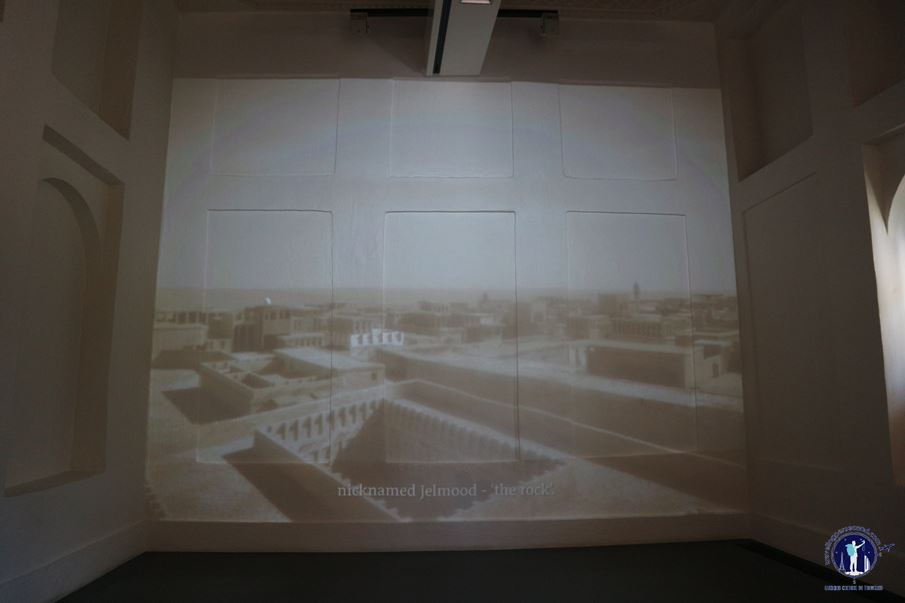
Who is Bin Jelmood?….He was a famous slave trader in Doha during the slavery era. He was often known as “The Rock”, referring to his convictions and stubbornness at the time.
This edition is more serious than Company House edition, friends….Be prepared to read more solemnly.
Come on, let’s got in!….It was hot outside, you know.
At the beginning of Bin Jelmood House exploration, I entered an audio-visual room which narrated the time of slave trading from Africa to Europe.
The shape of an ancient Doha house, the courtyard was in the middle.It was told…Europe in the Middle Ages where slavery was supported by a social system called SERFDOM.
At that time, slaves wore special accessories in the form of bracelets called Manilla and it was a historical fact that one of four Athenians would become slaves and worked in the olive fields. In another part of the world, Syria, there were slavery contracts between the buyers and sellers of slaves.
“The Indian Ocean World” Sessiom.
Civilizations in Africa and Asia, especially India, Middle East, and Sriwijaya (Indonesia) developed through the Indian Ocean.
In the maritime history of Indian Ocean, goods and slaves were traded between countries in Africa and the Gulf region. Meanwhile, between India and East Asia, goods and slaves were traded via the Silk Road (this route had two routes, land and sea). One of the pictures in the museum showed the export of oxen (oxen) from Madagascar to Mauritius.
Events in the eastern hemisphere were also depicted in black and white photographs, namely the activities of Dutch East Indies on the spices export at Jakarta Port in 1682, while in India, trading ships carried opium from Calcutta to China.
“Slavery in The Indian Ocean World ”Session
The legendary slave story was here.
Slavery was very prevalent in the pre-Islamic period, where slaves from Egypt, the Eastern Mediterranean and Africa were sold to Mecca and Baghdad which were the main slave markets in the Middle East. One of stories was about a famous slave named Antarah bin Shaddad Al-Absi who was born by an Ethiopian slave with father who be a Bani Abas leader. Then the story of Abdullah Ibn Abi Quhafa (Abu Bakr Ash-Shidiq) who became an important figure in the history of slave liberation, one of the famous slaves freed by him was Bilal bin Rabah Al-Habashi. Then Islam came down in Middle East and forbade slavery between human beings.
Some of the methods of slavery around Indian Ocean were through war, punishment for crimes, invasions, kidnapping, selling family members and debt bondage.
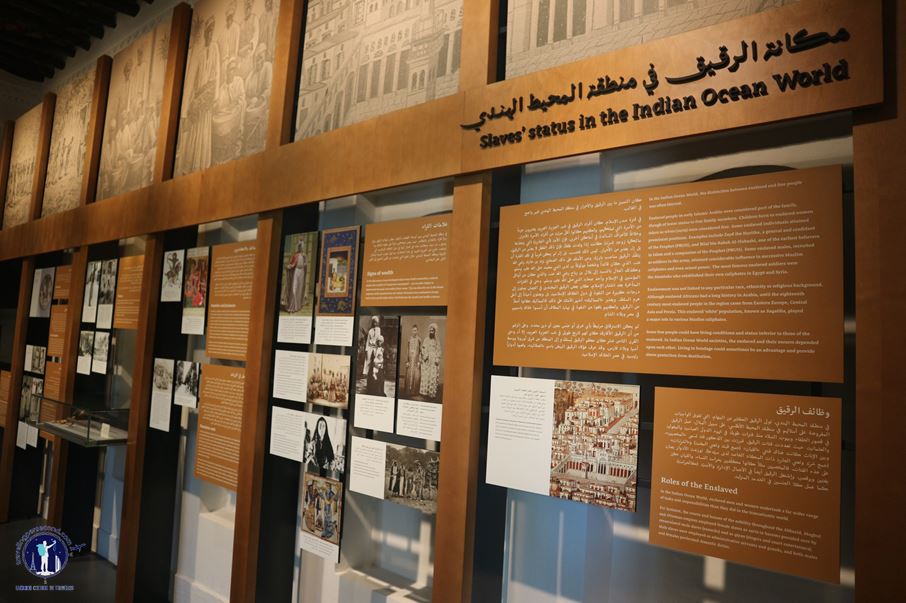
“Slaves’Status in The Indian Ocean World”Session
Among the upper classes, slavery indicated the master’s level of influence and wealth.
During the Abassid Empire (Abasiy), the Mamluk Army (Mamluk Army) was formed from slaves of Balkans, Caucasus and Europe. This army was very famous during the rule of Ayyubid dynasty in Egypt in the 12th century. There was also the Janissaries Troop formed by the Ottoman Empire in Turkey consisting of youth from Christian families who were trained in religious and military principles.
In the mid-19th century, clove plantations were highly developed in East Africa. This resulted in the enslavement of 1.6 million people there. In this section, the museum displayed a sword belonging to a Zanzibar slave at that time.
There was also a story about Tippu Ti (Hamed bin Muhammed Al-Murjebi), the owner of seven clove plantations and 10,000 slaves. This businessman from Swahili-Zanzibari Ivory captured and sold slaves on the orders of King Leopold of Belgium who was the authority on Congo.
Another heart-wrenching story was about the Persian King Bahram Gur who stepped on his favorite slave girl named Azada from a horse, simply because she did not value his hunting abilities. In ancient times slaves would only be guaranteed their life if they were integrated into their master’s family, this could be done if slaves were able to communicate in thir master’s language and were willing to embrace their master’s religion.
Five Rooms Describing Slavery in Qatar.
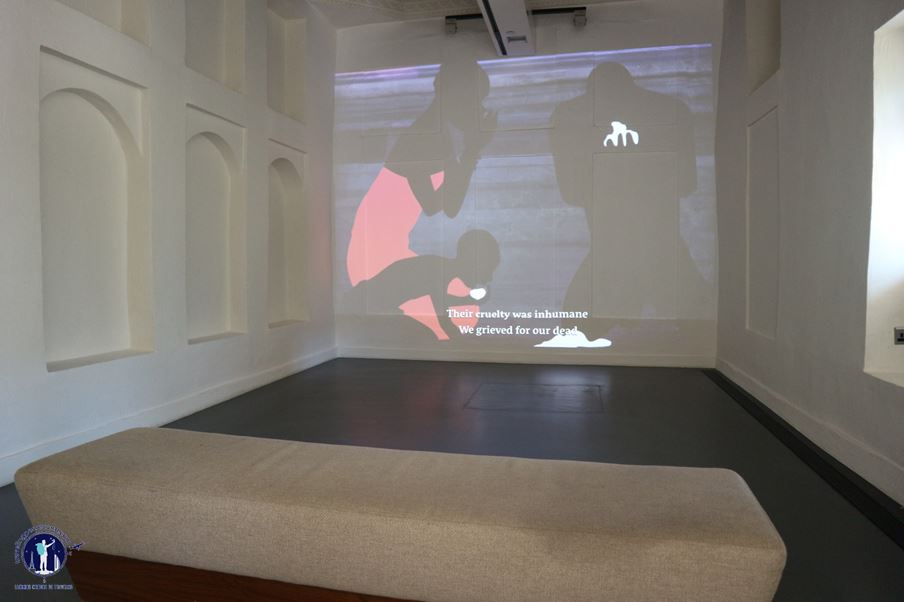
Illustration of slave activity at Bin Jelmood House in the past.
At the beginning of the 20th century, Qatar’s population was only 27,000 and the fact was that one in six of its citizens was a slave. The ownership of slaves was a guarantee for pearl exporting businessmen as well as importers, that their goods would be safe in the harsh desert voyages and treacherous sea voyages.
Qatar was still quiet at that time.
In 1868, Sheikh Mohammed bin Thani signed a protection treaty from British Government. Meanwhile in 1872, the Ottoman Empire established a military garrison in Doha until the end of World War I. After their departure in 1916, the British began to exert influence in Qatar through their base in Bahrain.
In the 18th century, Qatar had a positive impact on global economic developments. Mainly because of the increasing world demand for pearls. In order to increase the pearl catch, there was slavery of workers in the pearl catching industry in Qatar.
In the early 19th century, as many as 2,000-3,000 slaves were sent to Middle East, especially Oman, to be traded.
Meanwhile, at the end of the 19th century, slaves were employed in Qatar, taken from East Africa and the Red Sea, thousands more were imported from Zanzibar, slaves were brought by Dhow Boat across the Indian Ocean to Qatar. At the beginning of the 20th century, because of the opposition to slavery in East Africa, slaves began to be taken from Baluchistan.
The slave population in Qatar continued to be maintained by their masters by marrying their fellow slaves which of course would give birth to children as slaves as well.
The effects of the increased capture of slaves in Africa were disturbing to general community in the region. This was what causes endless wars in Africa.
At the time of slaves capturing, slaves would be chained and walked from Mozambique, Congo, Malawi and Zambia as far as 1,000 miles to Kilwa coast in Tanzania, sometimes before reaching the shore, they would be killed by the robbers, then slaves who survived then for weeks even months would sail for sale to Middle East and Yemen.
Illustration of slave abduction in Africa.
In Zanzibar’s slave market, female slaves would be dressed in fine clothes and jewelry so that they were sold at a high price. Buyers would usually check their physical health and beauty before buying them. Even slaves would be given new names such as Faida (profit), Baraka (blessing) and Mubaroka (blessed). To illustrate nominally, in 1926, a 24-year-old male slave diver in Qatar could be purchased for 1,210 Rupees.
Slaves in Doha and Al Wakra, some of whom lived together with their masters, ate the same food and wore the same clothes. Some of them separately live next to the house provided by the employer.
In daily life, slave girls would work to prepare food and took care of the children. While male slaves after the pearl shell hunting season was over, would work looking for firewood, breaking stones, transporting water, and being security guards for city officials.
Then there was social acculturation, slaves who initially were the majority of non-Muslims accepted the presence of Islam in their lives, then they embraced it. Likewise, the children of slaves will automatically become Muslims because of the religion of their parents.
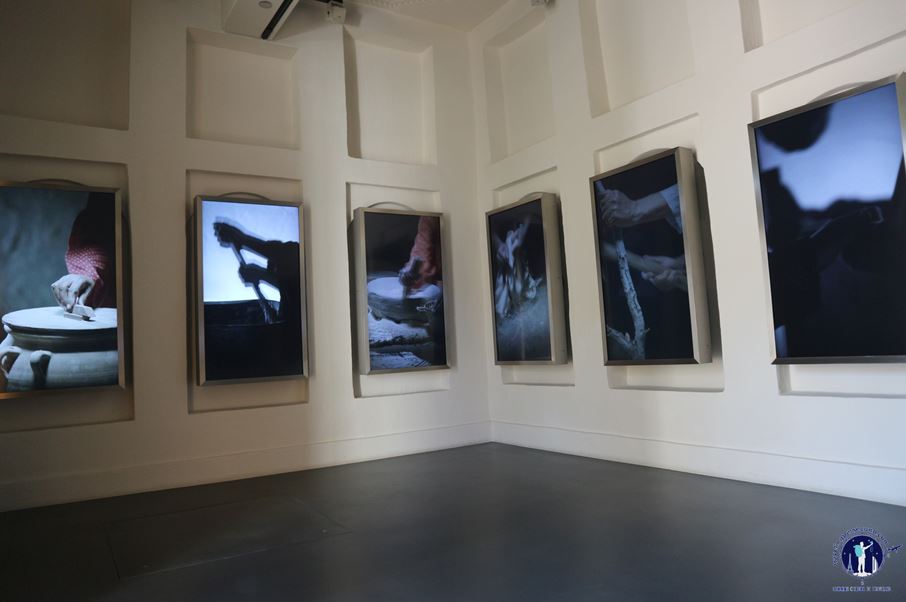
Illustration of a slave with their daily work.
But their origin culture remain attached and could not be abandoned. Slaves from West Africa, Ethiopia, Sudan, Somalia, Egypt, Tunisia and Morocco often performed the Zar Ritual when their master was asleep at night. This Zar ritual was considered to be able to give spirit and enthusiasm to get physical and mental health.
Over time, it turned out that the demand for slaves increased throughout Qatar when the pearl industry became booming and was needed by the world.
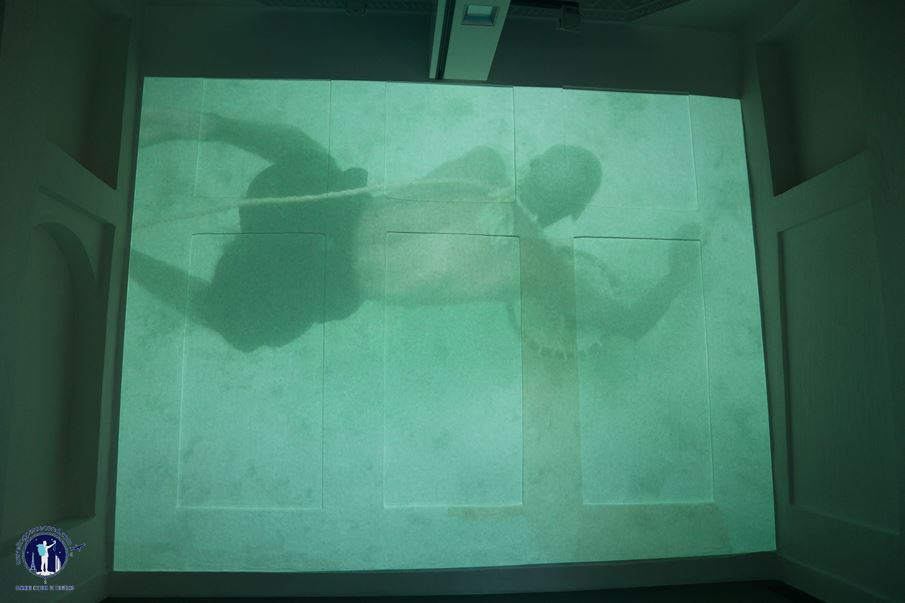
In practice, slave pearl divers would work from dawn to sunset. A small basket would be draped around their neck to store about 8-10 oysters they picked up from seabed. They would dive with an average time of 90 minutes and could dive up to 50 times per day.
Pearl diver’s slave.
Year after year, Qatar’s economic uncertainty caused its population to decrease from 27,000 to 16,000 and only 4,000 of them were still interested in working in pearl industry. Slaves began to be sent to oil fields to work and their wages would be shared with their masters.
“The Richness of Diversity”Session
Diversity in Qatar today.
The migration of slaves over hundreds years in Qatar contributed to the formation of Qatari culture in terms of cuisine, music and language. Qatar people then know Indian Biryani, Levantine Mansaf, Spanish Paella, and Balaleet. Other cultures which developed include playing Mancala and decorating the body with Qatari Henna.
Qatar had long been the meeting point of people migration who carried their respective cultures because it was located at the crossroads of Indian Ocean trade routes. In fact, many people who initially only stopped by ended up settling in Qatar.
“Knowing Our Ancestors”Session
From fossil and archaeological studies, it was known that the ancestors of Qatari people came from Africa.
Included in this session were the subject of DNA and its inheritance, the anatomy taught by Avicenna, the human genome and the reading of DNA sequences that could help humans to treat certain diseases based on this information.
That genes also affected blood type, hair and eye color. In some studies it was said that genes would make humans become super tasters (tasting something bitter than normal people) and non-tasters (not sensitive to taste).
Back to slavery…
In the late 19th century, Britain began to initiate the reduction of slavery in Middle East. They often rescued slave ships and brought them to British territory. This was because, since the end of the 18th century, the people of Western Europe through their parliaments cast the opinion on the abolition of slavery.
The early days of the struggle to abolish slavery.
There was the right moment when British signed the Qatar protection agreement on November 3, 1916. This was used by British to ask Sheikh Abdullah Bin Jassim Al-Thani to stop the practice of slavery in Qatar as a condition. But Qataris objected to this abolition.
The success of slavery abolition was only effective when Qatar succeeded in exporting its oil abroad. With the profits from oil trading, Qatari government was able to pay compensation money to slave owners to free their respective slaves. And finally, in April 1952, the practice of slavery was officially banned in all of Qatar.
After the ban, many slaves were granted Qatari citizenship by the Emir and many of them were accepted to work with full salaries in Qatar’s oil companies.
“Qatar, a Pioneer in Personalized Healthcare”Session
Health achievements in Qatar.
Qatar was a country which was committed to genetic research and was a pioneer in personalized medicine, which was a management of patient care in the medicine world based on patient genotype information, so that an evaluation could be carried out to determine an appropriate treatment for disease type which patient were suffering from.
Qatar was making progress by establishing Qatar Biobank, a place to store health information and biological samples from its citizens. This biobank was very helpful in the Qatar Genome Program launched by the government. This program was funded by Qatar Foundation through Qatar National Research Fund and was also funded by the Ministry of Health.
Qatar was also home to research centers such as Qatar Biomedical Research Institute at Hamad bin Khalifa University, Qatar University Biomedical Research Center and Weill Cornell Medicine.
Qatar also had a National Diabetes Center, a National Premarital Screening and Counseling Program, and a Qatar Newborn Screening Program.
“Modern Slavery”Session
Example of Modern Slavery.
You need to know that around 27 million people have become victims of modern slavery around the world. This type of slavery was caused by rampant human trafficking.
Some surprising facts include:
2.5 million people were in forced labour, including sexual exploitation.
Human trafficking was the most profitable international crime, along with drugs and arms trafficking.
Profits from human trafficking per year reached 31.6 billion US Dollars.
The majority of human trafficking victims were 18-24 years old.
1.2 million children were trafficked every year.
From 190 countries in the world, 161 countries have a role in this human trafficking. Either as a source, destination or as a transit country.
Political and humanitarian crises often place vulnerable groups (women and children) from less developed areas in human trafficking risk.
Many children in the 1990s were employed in factories, fishing boats, mining, agricultural land and underage women were employed in sexual industry. They work more than normal hours, sometimes without pay, living only with minimal food and minimal housing.
“Organizations”Session
Qatar struggles to abolish slavery in the modern era.
Then many organizations have sprung up in the world which were moving to end human trafficking, they hold meetings with governments in countries which still have modern slavery practices, they meet labor agencies around the world to work together to fight the practice of modern slavery.
Qatari House for Lodging and Human Care was one of many organizations which protected human trafficking victims. This organization provided health services, psychiatric consultation, legal assistance, rehabilitation, as well as cooking and sewing courses.
Qatar was the first and largest financier in UN Global Action Plan to Combat Human Trafficking. Qatar as also funding The Arab Initiative for Capacity Building in Combating Human Trafficking which was a collaboration between UNODC and the Arab League.
Finally…. I couldn’t believe I was at the end of this session at Bin Jelmood House. I took the time to entering the toilet, took pictures of the lobby and courtyard, then thanked all the staff at reception desk when I was about to leave the museum.
Corridor at the Bin Jelmood House.Bin Jelmood House yard.
It turned out that not only me, all tourists were confused to find the entrance. That was what a male staff who came out to called me and directed me to entering the museum.
“Welcome to Msheireb Museum, you should know that this museum consists of four parts. They are Company House which you are currently visiting. In west of this building is Bin Jelmood House, while in east there is Radwani House. Another one, across that street (pointing at Bin Jalmood Street), is Mohammed Bin Jassim House. To make it easier for understanding all stories inside the museum, please install the Msheireb Museums application. You can be guided by this application. Please write your identity in the guest book, and welcome to Msheireb Museums“, his memorization was smoothly conveyed.
“Yes, Sir. Thank you, Sir. Where are you come from, sir?”, I briefly answered and then asked.
“Bangladesh”, he answered with a smile.
Yes, the learning began…..
If you want to know about….
How did Qatar’s economy rise from adversity……and how did they struggle to find oil……
This is where it is.
—-****—-
So in the final episode of my adventure in Qatar, the content of this article will be very serious. Let’s learn about Qatar history!.
The history is begin……
First time, at the entrance of museum was the logo of a well-known oil company indicating that the establishment and financing of this museum was sponsored by Qatar Shell.
After passing the reception desk, it was explained in an article that this building was the home of Hussain Al-Naama, manager of Doha Port, built in 1920, then leased by the Anglo-Persian Oil Company (a British company which holding an exclusive contract for oil exploration at Qatar) on 1935 and was used as its headquarters for two decades. Once upon a time, the search and exploration of Qatar’s oil started from this house.
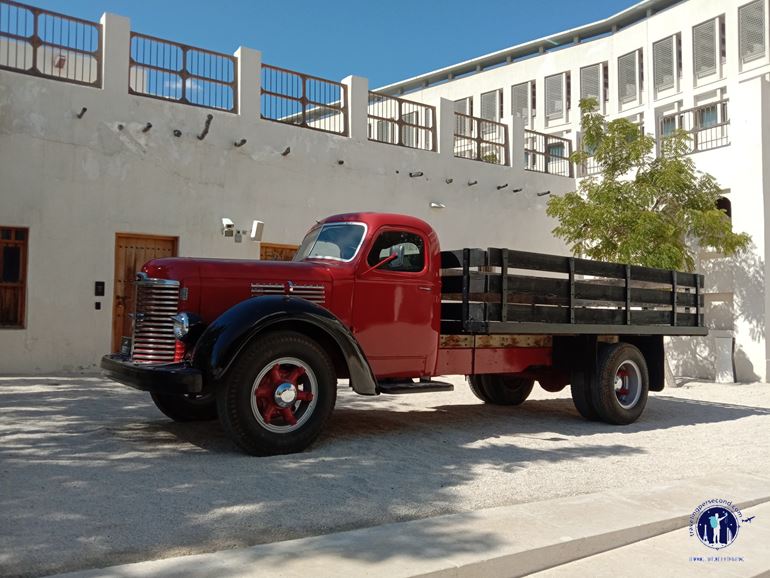
This was the truck used to transport workers to the oil fields at west of Qatar.
It was said that these workers would back home one time in a month to received their salaries, then were allowed to back to their homes in just one day to meet their families, after that, they had to return to the oil fields to work. This museum was dedicated to these pioneers who interpret endurance, sacrifice and commitment to build Qatar.
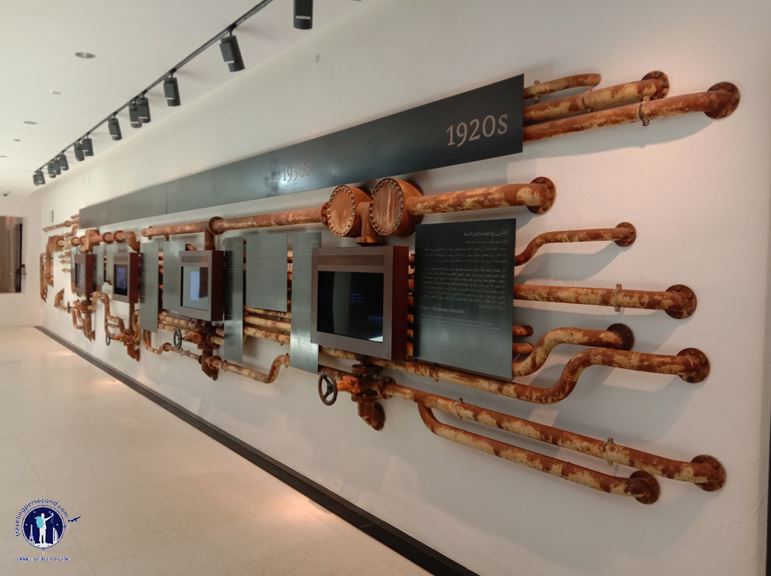
Qatar’s oil industry journey was structurely explained with former oil pipelines.
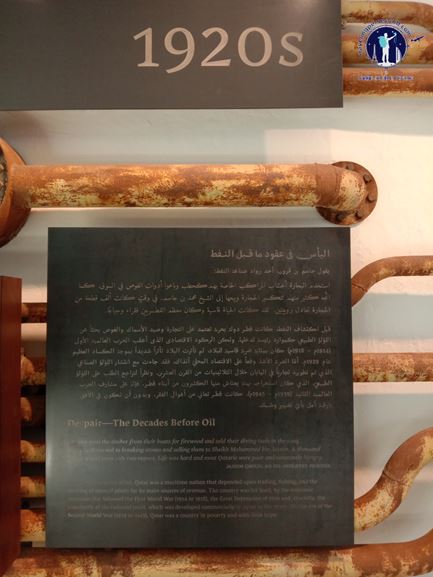
Dating back to the 1920s, when Qatar was a country that depended on trade, fisheries and pearl fishing. And this country was already on the verge of economic collapse due to the First World War, the Great Depression of 1929 and ever since pearls have been cultivated in Japan.
The pipe was so original….I’m fascinated.
You needed to know that catching pearls was a risky job. In 1929, there was a hurricane that sank 80% of ships in Kuwait, Bahrain, Saudi Arabia, Oman and Qatar. This storm killed five thousand people.
Entering the 1940s, when the Second World War broke out, Qatar’s oil exploration efforts had stalled. This made all Qataris hopeless again, so they have thought of going back to sea and looking for pearls.
Luckily in 1946, a year after the end of Second World War, the British returned to Qatar to continue exploration. When they arrived, when was the tanker unable to dock in Zikrit Waters because it was shallow. So a new export terminal was built in Umm Said, south of Doha. Then continued with the construction of oil pipelines from Umm Said to Dukhan. The relentless effort finally made Qatar successful in exporting its first oil on December 31, 1949. In subsequent developments, oil production in Qatar sharply increased from what was originally under 50,000 Barrel/day in 1949 to more than 2,000,000 Barrel/day in 2010….Wow, that was cool.
The next important chapter, Qatar gained independence from Britain on September 3, 1971. Three years later, the Qatar General Petroleum Company was formed. And in 1977, Qatar General Petroleum Company and Shell Qatar Ltd. was nationalized to become Qatar Petroleum, so that since then oil and gas were fully controlled by the state.
Qatar was a lucky country. Shortly after independence, a Liquid Natural Gas (LNG) field was discovered in the north of its territory. To explore this, the Qatar Gas Company was founded in 1984 and their first LNG export took place in 1996 to Japan.
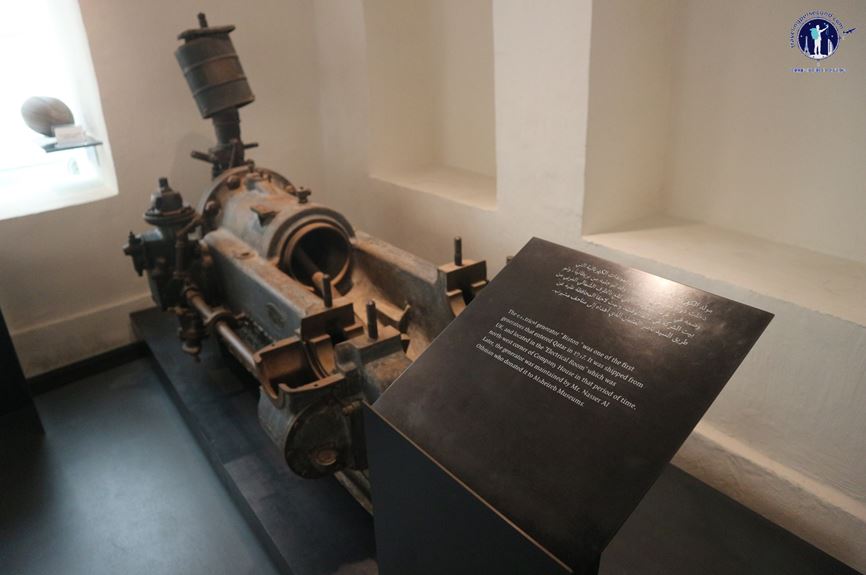
Video room….Seeing the dedication of the pioneers in developing the country’s oil so that Qatar experienced rapid economic progress.Biston power generator from England….This was the first electric generator in Qatar.
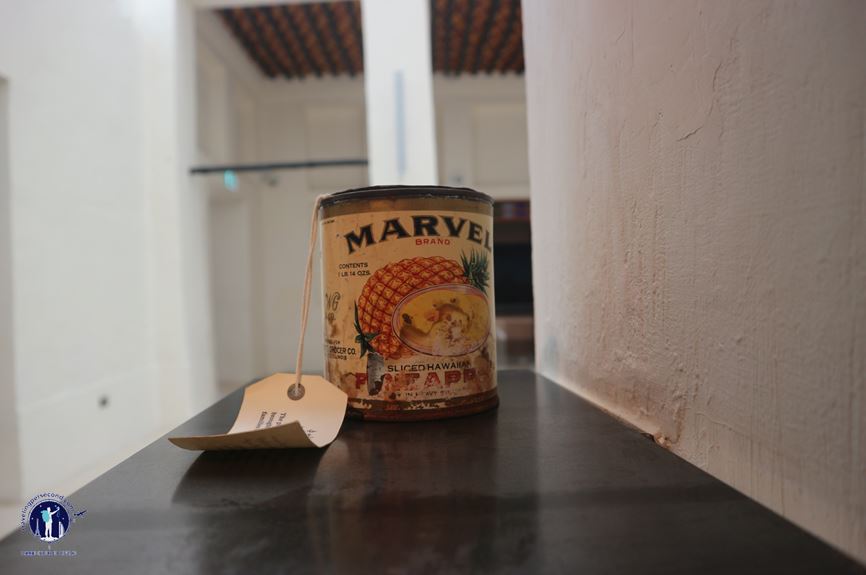
In the back room of the Company House, there was a room entitled “Open Storage” which displayed some of the equipment used by the oil company workers in the early days of its operation. There were tennis rackets, hockey sticks, rugby balls, radios, vehicle wheels, food baskets, typewriters, packaged pineapples with the “Marvel” brand and soft drinks with the “Namlite” brand.
Classic typewriter brand “ROYAL”.Packaged pineapple fruit with the brand “Marvel”.
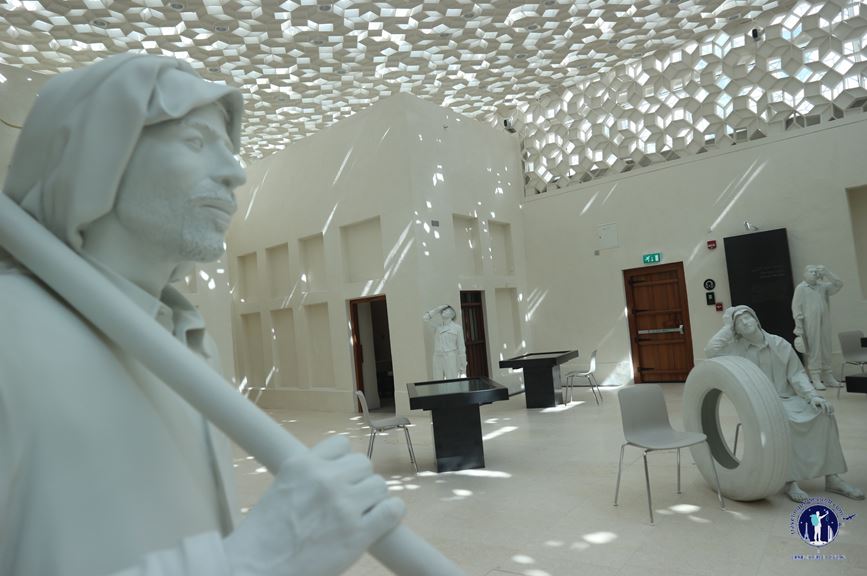
In the back room, a room entitled “The Courtyard: Life as a Worker” was designed, in which several white sculptures were built which visualize Qataris working for a British oil company.
Illustration of oil workers at that time.
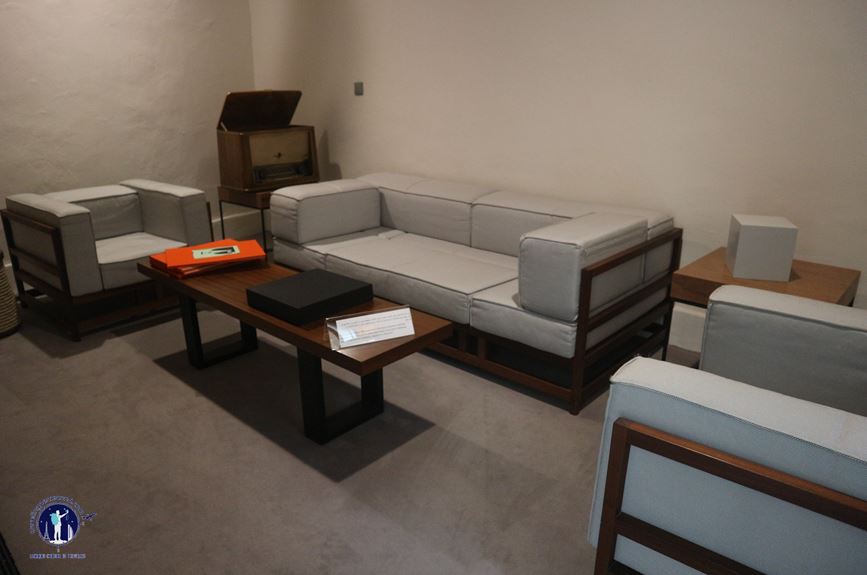
Walking towards the exit, there was an “Interview” room where the Msheireb Museum team interviewed Qatari pioneers to collect useful information as references, research materials and exhibition materials in this museum.
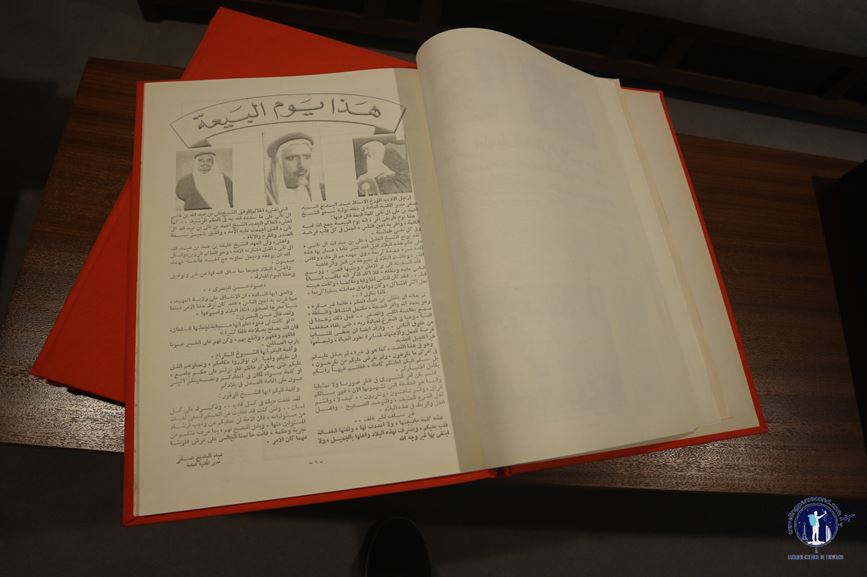
Sofa in the interview room.This was a full reference in Arabic…. Hahaha.
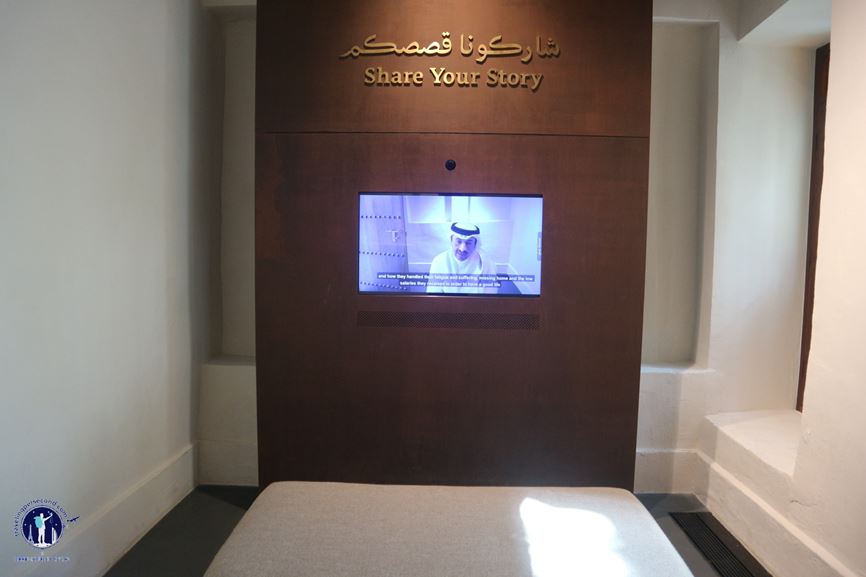
There was also a “Share Your Story” booth that displayed testimonials from pioneer family members about their hard work and life when they were employees of the oil company.
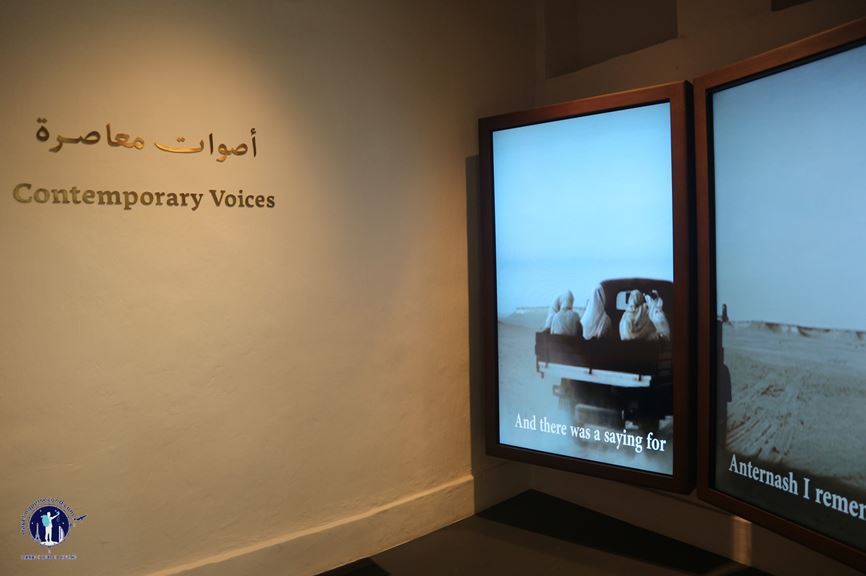
In the same room there was also a “Contemporary Voices” booth. This three-sided screen described the stories of pioneers in a documentary.
Sat back and listened to the stories of pioneer families….So touching.Or watch the documentary of pioneers themselves….Goosebumps when watching it.
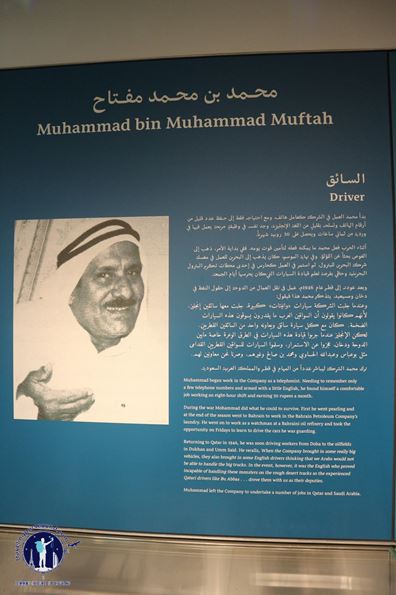
And at the end of museum, several profiles of pioneer oil workers awere displayed in the “Pioneers’ Stories” room. It was narrated that Muhammad bin Muhammad Muftah who worked as a telephone receiver and driver, Jasim bin Qroun as a rigger, Bu Abbas who was in charge of driving an international standard truck to carry geologists, Thamir Muftah who was in charge of handling electricity affairs, Jassim bin Muhammad Jaber Al- Naameh in charge of handling the generator, Ibrahim bin Saleh Bu Matar Al-Muhannadi who served as a houseboy, and finally Mansour bin Khalil Al-Hajiri who became the first employee at an oil company and served as a guide, because he was a person who understood everything very well. Qatar region and able to find the place you were looking for even in the dark or fog.
I slowly read each of their heroic stories.Mr. Mohammed bin Hamad Al-Hitmi, firefighter at Qatar Petroleum Production Authority.
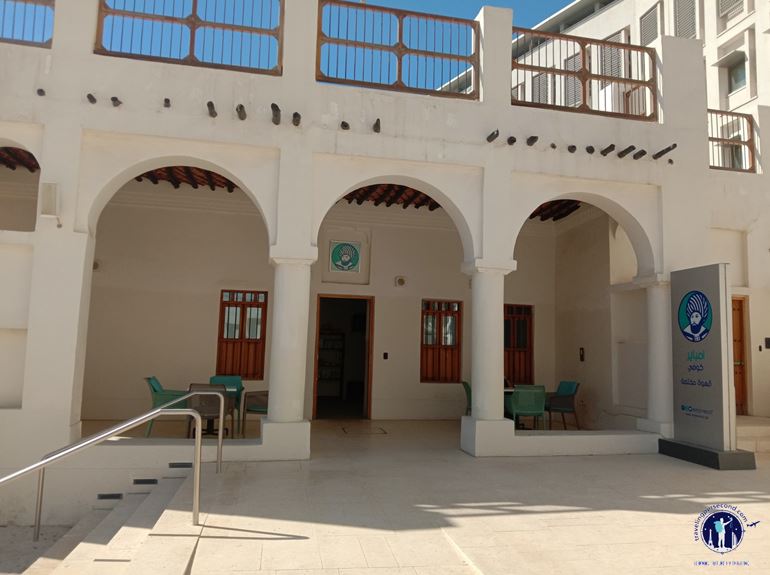
Finished exploring the Company House, I exited at back door. I had a chance to stop at Empirecof, a small coffee shop located in the courtyard of this museum.
Yuk nge-latte dulu….
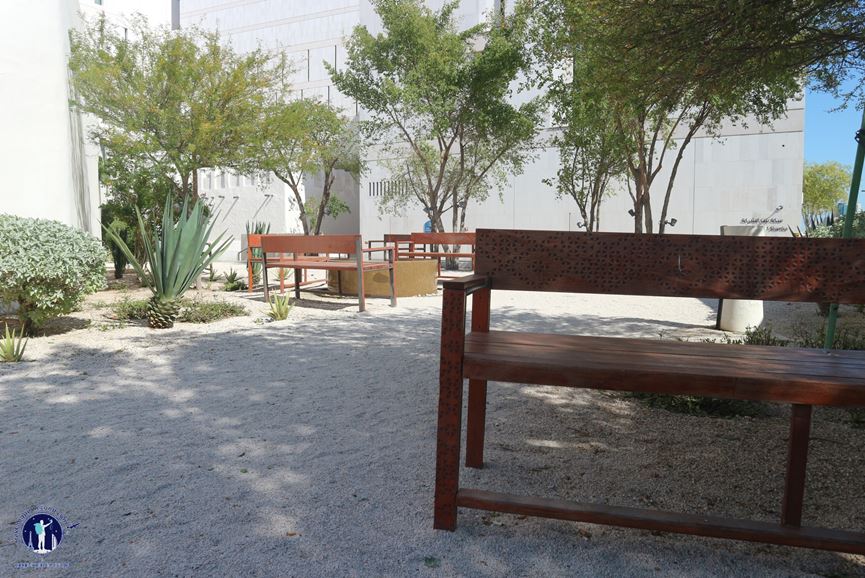
After having coffee, I took the time to eat my lunch in the Company House yard. In this park there was a free water station which could be used to drink for free…. Wow, Qatar.
“Where is the museum gate, Sir?”, was the question which tourists often ask me during a break in the park.
My visit to the Company House was really over, it was time for me to head to another part of Msheireb Museum.
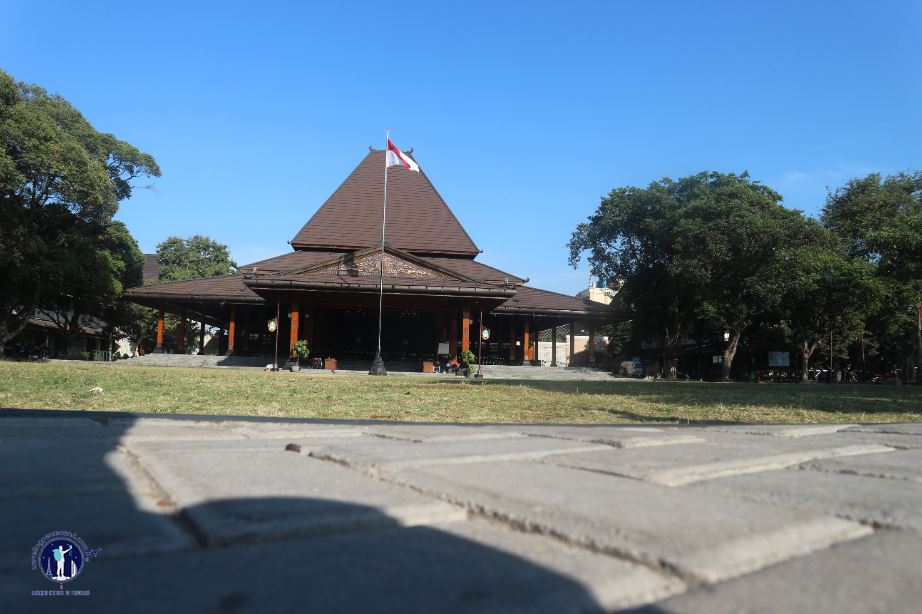
Aku telah selesai menjelajah Keraton Surakarta Hadiningrat berserta alun-alunnya, Pasar Klewer dan Masjid Agung Keraton Surakarta. Aku mulai menyusuri pangkal selatan Jalan Jend. Sudirman menuju utara. Inilah area pemerintahan Kota Solo, aku merasa berkesan ketika melewati Balaikota Surakarta yang teramat megah dengan atap Joglonya.
Surakarta City Hall.
Trotoar di depan balaikota tampak dibuat lebih luas tanpa pagar, maklum karena kantor tempat walikota bekerja ini juga berperan sebagai rumah rakyat yang siap menerima keluh kesahnya. Balaikota masih hening pagi itu, waktu belum juga menyentuh pukul sembilan.
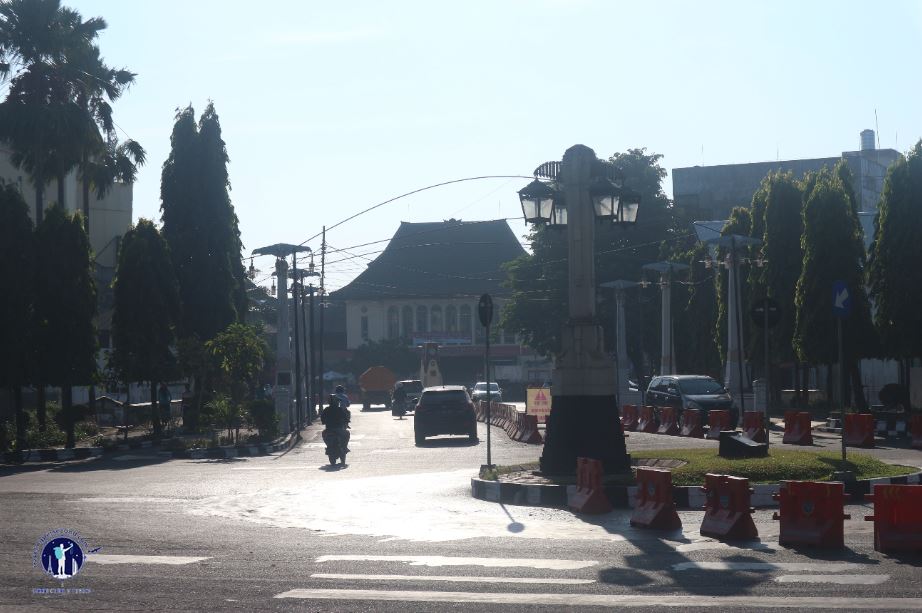
Tiba di sebuah pertigaan, penampakan klasik Tugu Jam Pasar Gede sungguh memesona mata. Tugu yang tak tinggi tapi juga tak rendah itu masih menunjukkan taji Kolonialisme Belanda. Inilah area Sudiroprajan dengan ikon utamanya Pasar Gede Hardjonagoro.
Pasar Gede Hardjonagoro.
Aku mulai menuju Pasar Gede Hardjonagoro. Tujuanku cuma satu….TAHOK.
Aku bahkan belum tahu rupa kuliner tradisional Kota Solo itu, bahkan lokasi dan bentuk kedainya pun aku tak pernah membayangkan rupanya. Langkahku semakin dekat dengan bangunan pasar yang tampak hening jika ditengok dari gerbang depannya.
Tetapi aku masih di seberang jalan ketika memperhatikan ada antrian panjang yang berpangkal pada sebuah gerobak dorong. Aku masih tak menahu , apa yang diniagakan di gerobak itu. Setelah mendekat dan membaca spanduk kecil yang menggantung di atap gerobak, aku baru tahu, ternyata kuliner yang kucari sedari tadi ada di depan mata. Inilah Tahok Pak Citro.
Aku: “Pak, ini bahannya apa aja ya?”
Pak Citro: “Ini dibuat dari kembang tahu dan air jahe, Mas”.
Aku: : “Rahadian, kamu mau coba ngga?. Kalau aku sih mau coba”, aku menawarkan kepada Rahadian yang tampak ragu sedari tadi.
Rahadian: “Engga, Pak. Saya ga begitu suka sama jahe. Pak Donny aja yang makan, saya tunggu saja”.
Aku: “Ah, kamu ini gimana, Rahadian. Jauh-jauh ke Solo kok ga nyobain kulinernya. Aneh”, Rahadian hanya tersenyum dan mengambil bangku di pojok trotoar.
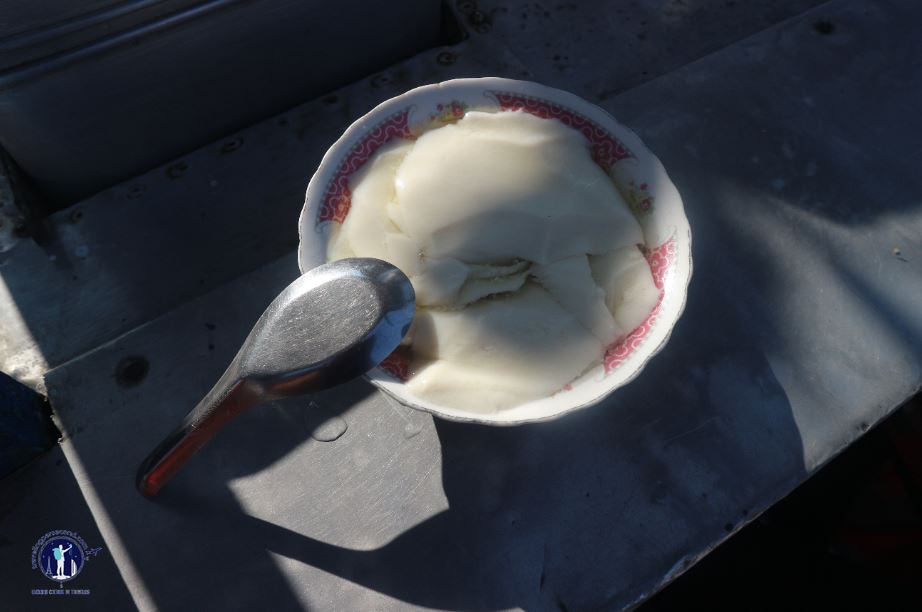
Aku mulai mengantri, beberapa pembeli lebih memilih pesanannya dibungkus dan dibawa pulang. Menunjukkan bahwa mereka pelanggan setia kuliner ini. Tak lama mengantri, giliranku untuk mendapatkan samangkuk Tahok. Pak Citro tampak mulai menyentong tipis-tipis kembang tahu itu dan memasukkan ke mangkuk berkali-kali hingga penuh, kemudian menyiramkan air jahe hingga menenggelamkan seluruh kembang tahu itu.
Gerobak Tahok.
Tahok.
Inilah kuliner khas Kota Solo kelima yang kunikmati setelah Es Dawet Telasih, Jenang Suro, Soto Kwali dan Wedang Ronde yang kusantap sehari lalu. Paduan tekstur halus dan kehangatan jahe menjadikan kuliner ini sangat tepat di santap saat pagi hari yang masih meniupkan sisa-sisa angin dingin semalam.
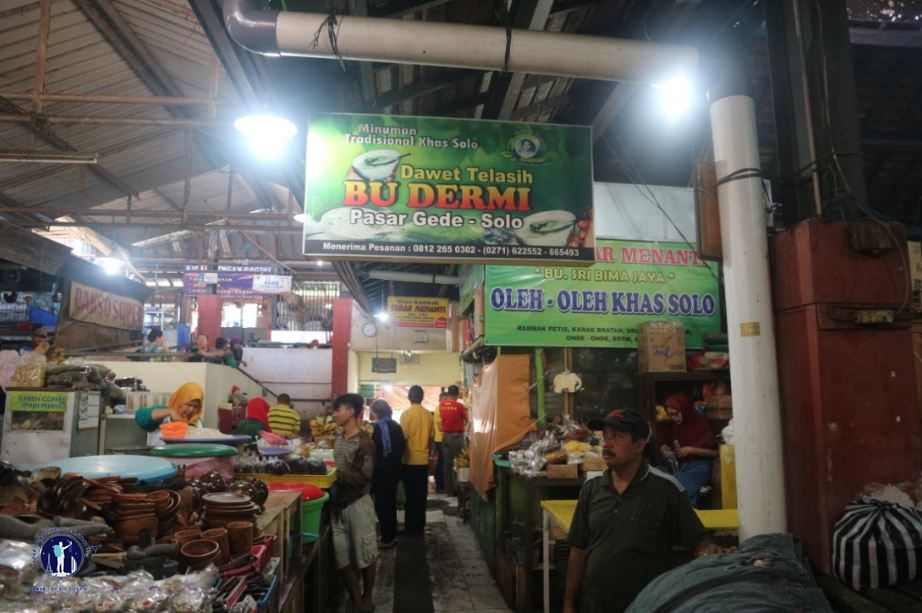
Aku menyudahi pengalaman kuliner ini dengan menyerahkan uang Rp. 7.000 dan mulai meninggalkan gerobak itu. Kini aku menuju ke sisi dalam Pasar Gede Hardjonagoro untuk kedua kalinya semenjak kemarin. Aku masih penasaran dengan Es Dawet Telasih Bu Dermi yang sehari lalu tak kutemukan karena belum buka. Aku memang sempat menyantap Es Dawet Telasih Hj. Sipon sebagi penggantinya.
Tetapi rasa penasaranku masih terbayar dengan tidak keberuntungan. Kedai yang kucari belum juga buka, bahkan pasar masih tampak lengang dan belum banyak pedagang yang hadir. Keinginanku kembali tertunda.
Suasana di dalam Pasar Gede Hardjonagoro.
Nantinya aku akan merasakan Es Dawet Telasih Bu Dermi ini dua bulan sejak kadatanganku hari itu.
Aku mulai melangkahkan kaki ke utara, menuju Alun-Alun Lor Keraton Surakarta Hadiningrat. Jaraknya tak sampai setengah kilometer dari pelataran keraton. Aku tiba dalam lima menit. Sejauh mata memandang, Alun-Alun Lor ini cukup terawat, dengan luas hampir tujuh hektar. Beralaskan rerumputan hijau yang tak sempurna menutupi seluruh alun-alun, jalur aspal menyilang dari utara ke selatan dan dari barat ke timur serta di setiap sisi taman dikelilingi pohon-pohon besar (pohon beringin diantaranya). Sementara untuk membatasi jalan raya yang mengelilingi taman, dibangunlah pagar besi setinggi dada yang berjajar di batas dalam trotoar.
Aku sepertinya malas untuk menuju ke tengah alun-alun, hanya terus berjalan mengelilinginya dan berniat menuju bagian timur alun-alun untuk membunuh rasa penasaranku terhadap pusat perbelanjaan tekstil terbesar di Kota Solo yaitu Pasar Klewer. Ibarat Tanah Abang di Jakarta, maka Pasar Klewer adalah nadi ekonomi kota dengan putaran cashflow yang sangat mumpuni. Aku tepat tiba di depan gerbang pasar yang masih sunyi. Beberapa pedagang sudah mulai datang membawa berkoli-koli tekstil ke lantai atas. Sementara beberapa kios tampak mulai membuka diri untuk bersiap menghadapi perniagaan pagi itu. Aku mencoba menaiki lantai pertama dan berkeliling untuk memperhatikan setiap sisi. Melihat keadaan sekitar, terbayang bahwa pasar ini akan sangat sibuk jika semua kiosnya sudah dibuka.
Kiranya aku tak akan menunggu hingga Pasar Klewer benar-benar dibuka, aku segera turun dan menuju ke utara pasar. Kali ini aku akan menyambangi Masjid Agung Keraton Surakarta yang masih merupakan bagian dari Keraton Surakarta Hadiningrat. Masjid dengan atap tiga susun ini tampak sedang khusyu’ menjadi saksi bisu atas pernikahan sepasang sejoli yang sepertinya adalah orang penting, karena kulihat terdapat papan bunga ucapan dari Presiden Joko Widodo berserta keluarga. Acara itulah yang kemudian mengurungkan niatku untuk memasuki masjid.
Masjid Agung Keraton Surakarta.
Masjid Agung Keraton Surakarta.
Masjid berhiaskan tiang-tiang lampu klasik di halaman, semakin elok dengan minaret tunggalnya yang anggun berdiri di utara pelataran. Masjid berusia 232 tahun ini masih cukup gagah dan anggun berdiri di sisi timur ALun-Alun Lor berdampingan dengan Pasar Klewer.
Kiranya aku sudah berada di bagian terakhir dari kompleks Keraton Surakarta Hadiningrat. Aku mulai meninggalkan area keraton dengan melewati pangkal timur Jalan Slamet Riyadi yang ditandai dengan patung Brigjend Slamet Riyadi yang tampak gagah mengacungkan pistol ke udara. Slamet Riyadi sendiri adalah tokoh pahlawan Kota Solo yang meninggal di Ambon dalam menjalankan tugas negara dalam menumpas pemberontakan Republik Maluku Selatan.
Kini niatku beralih menuju ke destinasi pertama ketika aku melakukan survey sehari lalu. Bukan Es Dawet Telasih yang kucari, melainkan satu kuliner tradisional yang cukup ternama di Kota Solo.


































 travelingpersecond.com